


Sign up for updates
Interested in studying at the University of Hertfordshire and want to sign up to our mailing list to learn more about our facilities, living in the UK and student life? Use the form below and our team will also keep you informed of key updates such as events near you, applications opening and more!
MA Journalism & Media Communications
Why choose Herts?
- Research: Benefit from advanced research study led by our expert research-active teaching staff
- Employment prospects: Graduates have gone onto work in a variety of media roles such as Press Officers, Social Media Analysts, and Journalists for organisations including BBC, Mail Online, Subway and Euromonitor.
- Teaching excellence: Learn from our industry-experts, award-winning lecturers who are experienced in print, web design, journalism, and PR.
Are you looking to build a successful career in journalism, media and communications? Do you want to gain real-world skills, industry experience and professional connections that set you apart? The MA Journalism & Media Communications degree is designed to help you develop the confidence and expertise to excel in today’s fast-changing media landscape — whether you’re a recent graduate or looking to transition into the industry.
You will gain hands–on experience, learn from leading industry professionals and develop the practical and analytical skills needed to thrive in news reporting, digital media, corporate communications and PR. With strong industry connections, including partnerships with the Public Relations and Communications Association (PRCA), you will have access to exclusive networking events, masterclasses and professional resources that enhance your expertise and boost your employability and career prospects.
As a student on this course, you will be granted PRCA membership, providing you with exclusive access to a wealth of resources, including online training courses, networking events, masterclasses, and industry panels. You’ll also have the opportunity to use designatory letters to showcase your commitment to professionalism and best practice, while staying informed on the latest industry trends and insights.
Alumni Stories
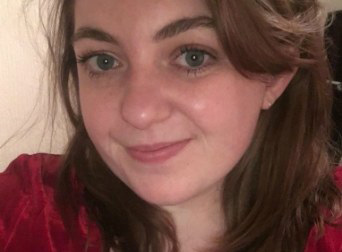
April Wilson
Meet April Wilson, who used the diversity of her course to gain new experiences and learn. She is currently an Alumni Relations Coordinator at the University of Sussex.
| Current job role | Alumni Relations Coordinator |
|---|---|
| Year of graduation | 2017 |
| Course of study | BA(Hons) English Literature with Film |
| MA Journalism with Media Communications |
University life and experience
April initially decided to go to the University of Hertfordshire due to our close proximity to London. She liked that it was easy to commute into the city for shopping and concerts, but that Hatfield wasn’t as expensive to live in!
While studying, April gained valuable experience which helped her develop essential skills for her current role which meant she was able to start ‘armed with the knowledge’ she needed.
However, the most useful thing she learnt from her postgraduate course was having confidence in herself and her ideas, especially when presenting. She credits this to ‘the support of my peers and lecturers who made me feel more confident in my abilities.'
She adds that her undergraduate degree helped her develop the writing and research skills which she applies daily to her current role and her approach to work.
Not only did April gain experience from her studies, but the extra-curricular activities she took part in also helped develop her skills. She says, ‘The writing and video editing experience I was able to gain from my time volunteering for societies at the University was also essential in helping me to have the skills that are valuable within my role.’
Future aspirations
April is also willing to try new experiences to help her gain valuable work experience in a variety of roles. She has previously, done everything from fundraising for charity to running my own online magazine.
In the future, April hopes to continues her studies and complete a PhD in Film Studies. She is particularly interested in looking at representation in films and how this is interpreted through social media.
Professional Accreditations
This course is partnered with the Public Relations and Communications Association (PRCA), giving you access to networking and tailored speaker sessions, as well accreditation upon graduation. The University is also an Academic Member of the British Society of Magazine Editors which provides expert speakers and information on the latest trends in this area
About the course
Our MA Journalism & Media Communications programme is designed to equip you with advanced theoretical knowledge and practical skills essential for success in the dynamic world of media and communications. This course will enable you to:
- Develop expertise in contemporary journalism, corporate communications, PR, and digital media practices.
- Build confidence through a combination of traditional lectures, workshops, and hands-on media production projects.
- Strengthen your analytical skills by engaging with real-world case studies, identifying trends, and developing strategic communication solutions.
- Enhance your digital proficiency by exploring audience engagement, SEO strategies, and content creation for diverse media platforms.
- Gain industry insights from our experienced academic staff, guest speakers, and networking events with media professionals.
Learning Experience
This programme offers a blended learning approach with a combination of traditional seminars, hands-on workshops, and interactive sessions. You’ll participate in group projects, impromptu pitches, and simulated activities that develop essential industry skills such as teamwork, decision-making, and strategic problem-solving.
Seminars are recorded for on-demand access, allowing you to revisit key concepts at your convenience. You will also have a dedicated personal tutor to provide guidance throughout your academic journey.
This MA is your gateway to a successful career in journalism, media, and communications, equipping you with the expertise, industry connections, and practical experience needed to thrive in today’s fast-evolving media landscape.
Pathway Options
- MA Journalism & Media and Communications - one year full-time study focusing on professional skills and academic development.
- MA Journalism and Media Communications (Sandwich) - two years, includes a work placement year for hands-on industry experience.
- MA Journalism and Media Communications (with Advanced Research) - two years, designed for those looking to integrate academic research into their media expertise.
This flexible structure allows you to tailor your studies to your career ambitions. You can choose your preferred pathway upon application, with some flexibility to switch during the first semester.
Why choose this course?
The University of Hertfordshire was placed 6th in the UK in Business and Management in the Postgraduate Taught Experience Survey (PTES, 2024), reflecting the University’s commitment to high-quality teaching and outstanding student support across its postgraduate programmes.
Whether you’re a recent graduate or a professional looking to pivot into media, the MA Journalism, Media and Communications provides a strong foundation in journalism, PR, and digital media. You’ll learn from leading industry experts and gain hands-on experience with real-world projects.
Learn from top media professionals - previous guest speakers have included investigative reporters from the BBC, editors of major publications like Marie Claire, and leaders in PR and digital media. These exclusive insights prepare you for the realities of the industry.
We also offer small, exclusive ‘afternoon tea’ sessions with industry experts twice a semester, giving you a unique opportunity to gain insights and build valuable connections.
96% of Herts graduates find employment or further study 15 months after graduation, (Graduate Outcomes 2022/23).
Our alumni have gone on to launch successful careers in journalism, corporate communications, and PR, with placements at top organisations like the BBC, The Sunday Times, and leading PR firms.
Extracurricular opportunities
Your career prospects will be strengthened through additional opportunities such as:
- networking with PR and media professionals through PRCA groups
- engaging in our MA Research seminars and internal insight platforms
- participating in mentorship programmes with industry experts
- accessing exclusive workshops through our partnership with Google Digital Garage.
What will I study?
The core focus of this course is to bridge the gap between theory and practice, ensuring you can confidently apply your knowledge to real-world scenarios. You will explore key aspects of journalism, PR, and media communication, including:
- Corporate Communication & PR: Master the art of strategic communication. This module covers PR and advertising techniques, preparing you to build and protect brand reputation, manage media responses during crises, and communicate effectively to mitigate reputational damage effectively under pressure.
- Journalism Skills and Reporting: Develop engaging content for online and print publications, with a focus on investigative techniques, news writing, and multimedia storytelling. You’ll refine your ability to conduct interviews, fact-check sources, and produce compelling reports across multiple platforms.
- Sports Journalism: Produce engaging sports content for various media platforms, report on major sporting events, interview athletes, and craft compelling sports narratives. Some of our graduates have gone to work with major clubs and sporting organisations.
- Media Production: Create high-quality content, from podcasts to digital campaigns, using industry-standard tools and gain hands-on experience in video production and editing.
- Data Analytics in Media: Understand how data-driven insights influence and shape media strategies, audience targeting, and content personalisation. Learn how to use analytics tools to measure engagement, track digital campaign performance, and optimise storytelling approaches.
- Mobile Journalism: Leverage mobile technology for news gathering, live reporting, and digital storytelling.
- Content Creation - Master the art of creating compelling video content that resonates with diverse audiences. Learn how to craft visually engaging narratives for news, social media, and corporate communication, utilizing industry-standard tools and techniques to produce high-quality video content that meets professional standards.
You’ll also have the option to undertake a final project tailored to your interests, whether in investigative journalism, media production, or corporate communication.
Key staff
Dr Chanda Mfula
Lecturer and researcher specialising in media, communication, and journalism, with professional experience in broadcast journalism.
Dr Deidre O'Neil
Experienced researcher and Senior Lecturer in Film, with expertise in film and documentary production, film theory and audience engagement.
Dr Genevieve Bosah
Programme Leader & Senior Lecturer in Media, Chartered PR practitioner with the CIPR and member PRCA board, with extensive experience working with media institutions, government agencies, and international development projects.
Dr Jonathan Marsh
Lecturer in Journalism specialising in Sports journalism.
Philip Cowan
Experienced journalist and trainer in Journalism.
Dr Ramona Pistol
Expert in digital media strategy, with extensive experience in multimedia journalism and content creation.
Dr Sharon Maxwell
Magnus Principal Lecturer in Journalism and award-winning journalist with a specialisation in magazine journalism.
Further course information
| Programme specifications | |
|---|---|
| MA Journalism and Media Communications - Full Time, Sem A | Download |
| MA Journalism and Media Communications - Part Time, Sem A | Download |
| MA Journalism and Media Communications - Full Time, Sem B | Download |
| Additional information | |
|---|---|
Sandwich placement or study abroad year |
n/a |
Applications open to international and EU students |
Yes |
My new degree is already working in my favour, by the way, as I have been redeployed to edit our online/digital content, which is a big deal for me. Again, some head hunters are already contacting me through my LinkedIn page. It's amazing that the attention I craved for years are coming unsolicited because of the new additional skills that I acquired through my MA. I'm quite elated. It was nice learning under you while the programme lasted
Student experience
At the University of Hertfordshire, we want to make sure your time studying with us is as stress-free and rewarding as possible. We offer a range of support services including; student wellbeing, academic support, accommodation and childcare to ensure that you make the most of your time at Herts and can focus on studying and having fun.
Student Blogs
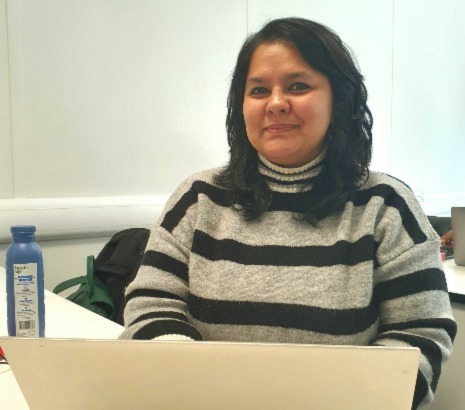
Farah - Learning to think outside the box on my Journalism and Media course
Learning to think outside the box on my Journalism and Media course
It’s a Wednesday afternoon, and we’re attending the Writing for Magazine class with Sharon Maxwell Magnus, a veteran journalist and our lecturer for the module. I remember this day clearly. We were falling into that afternoon lull when Sharon decided to give us a break, albeit one filled with a purpose. “Go find stories,” she said. “Look around you and find three stories on which you think we can write a news report.” Assigned into groups of threes and fours, we had fifteen minutes to grab a coffee and commence a search for stories.
I thought this exercise would be easy. We’d just go around and look for something to report back. Little did I know that finding a story in fifteen minutes is not as easy as it sounds. I could hear Sharon’s teachings over the past weeks lingering in my mind: think outside of the box. Many questions arose in my head as a result. Should we talk to a student on campus and ask them about their experience? Should we talk to staff members? If that wasn’t enough, would it be okay for other people if we randomly approached them with questions? What were our ethical concerns? More importantly, what was the unique angle we’d come back to class with? Suffice to say, that simple exercise changed how I understood and perceived journalism.
I used to think journalism was about reporting facts, stories, or events that have already occurred. Never did it occur to me that you could go out, hunt for stories, and come back with a dozen topics to report on. Perhaps, a successful journalist’s key skill is not reporting but having an eye for impactful stories that the rest of us are oblivious to.
My group found three stories during our fifteen-minute break. We saw some people walking a dog on the campus, stirring the question, ‘are dogs now allowed on campus?’ Some of our other classmates met with other students to find out about their experiences and how they were coping with the cost-of-living crisis. When our class returned from their break, we all had stories and topics to share.
Sharon went around the class listening to our topics and ideas. She prompted us to think deeper. Our story about a dog on campus took multiple directions; from discussing if pet bans are justified to reviewing university policies and extending the story to cover universities across the country. I could never have imagined a dog on-campus sighting could lead to so many potential & impactful stories! It was then I realized a journalist’s fundamental challenge isn’t the writing, the deadline, the research, or the report. It is primarily the ability to craft an angle that grabs the attention of the audience and resonates with them. You have to tell stories that matter.
Over the course of the module, as we worked on our assignments, we also learned about ethical concerns, defamation, and the legal repercussions that come as part of the job. We were trained to respect deadlines, ensure the integrity of our reporting, and, most importantly, develop interviewing and research skills. Needless to say, I was positively challenged on this course.
Towards the end, as we received our final feedback, I asked Sharon if she believed I had it in me to pursue journalism. She answered with a piece of advice, “In journalism, it’s not how talented you are. It’s how reliable you are.” She encouraged me to go ahead and overcome my fear because it’s not about how creative you are; it’s about whether you’re the person that can get the story done on time before everyone else.
This short 3 month module, along with the other modules I took on the course, challenged my journalistic instincts and empowered me to step into a role I had only dreamed of. I have been empowered to believe I can make an impact. All I need is to get started!