

Impact of our research
Climate change, energy, engineering, healthcare, science and technology are just some areas where we are breaking new ground for the benefit of people in the UK and across the globe.
Discovering earth-like planets outside our solar system; creating pioneering atmospheric models to monitor and improve air quality; protecting civilians against chemical terror attacks; and furthering social interaction between robots and humans.
These are some of the ways in which our interdisciplinary research is addressing some of today’s biggest challenges regionally, nationally and globally.

Research case studies
-
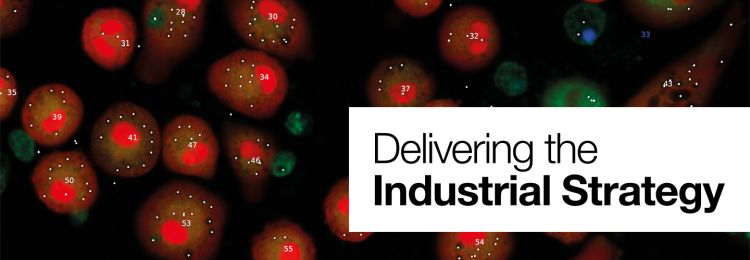
Astronomy and machine learning
Astronomy research at the University of Hertfordshire is driving advances in machine learning which may also tackle complex challenges closer to earth.
-
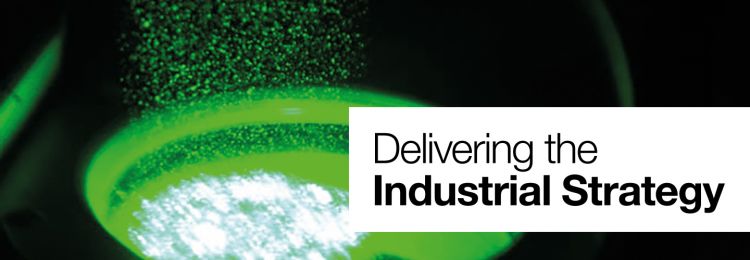
Improving air quality through LIDAR
The University of Hertfordshire’s bespoke laser radar or ‘lidar’ system is at the forefront of research into the effects of atmospheric pollution on climate change, air quality and human health.
-
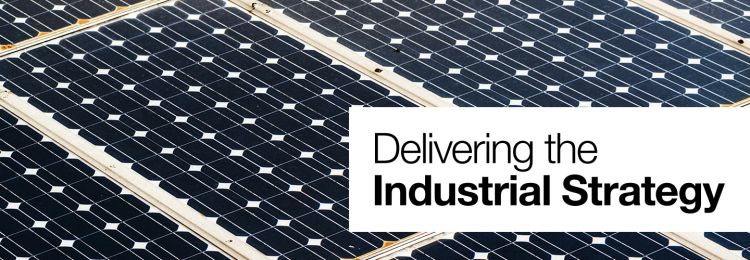
Harvesting sunshine from smart solar panels
Many communities in developing countries suffer from poor energy grid infrastructure, but technologies developed by the University of Hertfordshire are offering an affordable, locally-based solution.
-
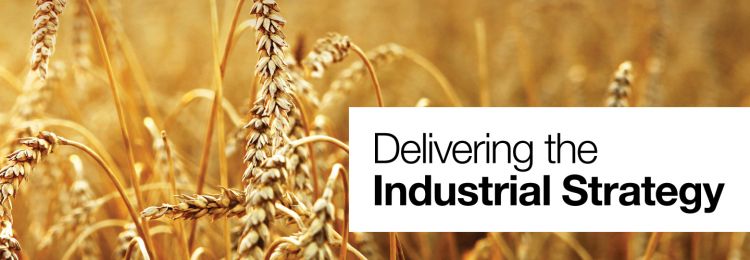
Understanding food value chains
The food value chain is the farm-to-table network of stakeholders involved in growing, processing, selling and consuming the food we eat.
-
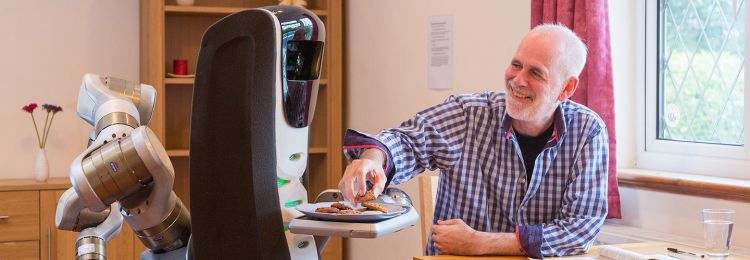
Robots for health and social care
From Kaspar the humanoid robot helping children with autism to a suburban house staffed by care robots for assisted living, the University of Hertfordshire’s human-robot interaction studies are exploring innovative care solutions.
-

Responding to chemical attacks
Governments need to know how to treat people who have been exposed to chemical agents. The University’s Toxicology Research Group has studied the science of decontamination processes and translated the evidence into new guidance for emergency services in the US and UK.
-

Advancing radio astronomy in developing economies
Skills transfer and inspiring STEM uptake in Africa and Asia. University of Hertfordshire researchers are playing a key role in training a first generation of radio astronomers in both sub-Saharan Africa and South East Asia.
-

A fairer gig economy
The rise of ‘on-demand’ work managed by online platforms such as Uber and Deliveroo is changing the way work is organised and challenging traditional forms of employment. Research by Hertfordshire Business School is informing policymakers seeking to protect labour standards.