Biomedical Science BSc (Hons)
About the course
This study programme is designed to provide you with an understanding of the causes, diagnosis and treatment of human diseases. You will graduate with a knowledge of the pathogenesis of disease and how disease disrupts the normal function of the human body.
Each module within the programme involves a series of lectures which are underpinned by workshops and an extensive practical element. The first year provides a strong foundation in key aspects of biology and chemistry relevant to all students of biological sciences. The programme develops more specialised areas of biomedical science in the subsequent years with an emphasis on haematology, pathophysiology, clinical microbiology, immunology, biochemistry, endocrinology and analytical science. In addition, clinical-based research projects and relevant work placements will be offered in the latter part of the programme.
80% of our students have gone on to work or study after graduation (Unistats, 2013).
Why choose this course?
- Biomedical Science involves the study of disease, drugs and other topics related to human health.
- The biomedical sciences are made up of the following disciplines; biochemistry, haematology, immunology, microbiology, histology, eytology, bacteriology and transfusion (blood) technologies.
- In the UK the term 'biomedical scientist' is a protected title used by professionals working within the pathology department of a hospital. This group of healthcare professionals is the second largest profession registered by the Health Professions Council but not all students who study biomedical sciences end up working as biomedical scientists. Many graduates continue in pharmaceutical companies or other research institutes.
Entry requirements...
280 UCAS points to include 2 science GCE A Levels one of which must be a grade C in either biology or chemistry (Acceptable science A levels are Biology, Human Biology, Psychology, Geography, Maths and Physics) or BTEC Extended Diploma in Applied Science with a minimum DMM profile. Plus GCSE English language, mathematics and double science (or 2 single sciences) at grade C or above.
Successful completion of Access to Science (or approved equivalent) with Merit profile in 45 credits at Level 3 (Other science related access courses will require evaluation to check the scientific content).
Study routes
- Sandwich, 4 Years
- Part Time, 5 Years
- Full Time, 3 Years
Locations
- University of Hertfordshire, Hatfield
Careers
On graduation, you will be eligible for employment as a biomedical scientist in the National Health Service and Public Health Service laboratories. In addition, job opportunities exist in the Blood Transfusion Service Laboratories; pharmaceutical and healthcare industries; forensic laboratories; sales and marketing in the healthcare field; education and research. First salaries range from £12,000 to £22,000 pa. 80% or our students have gone on to work or study after graduation (Unistats, 2013).
Typical job titles of recent graduates:
- Trainee Biomedical Scientist,,
- Clinical Trials Associate,
- Drug Safety Coordinator,
- Medical Representative,
- Lab Scientist,
- Microbiologist,
- Research Assistant,
- Tissue Culture Technologist,
- Donor Transplant Assistant.
Typical employers of recent graduates:
- Pfizer,
- Denfleet Pharma Ltd,
- Health Protection Agency,
- GlaxoSmithKline,
- AstraZeneca,
- NHS Trusts
- Lark Technology.
Teaching methods
Most second and third year modules are assessed by coursework and examination. The type of coursework is varied, depending on the module and includes essays, reports, practical write-ups, posters and seminar presentations.
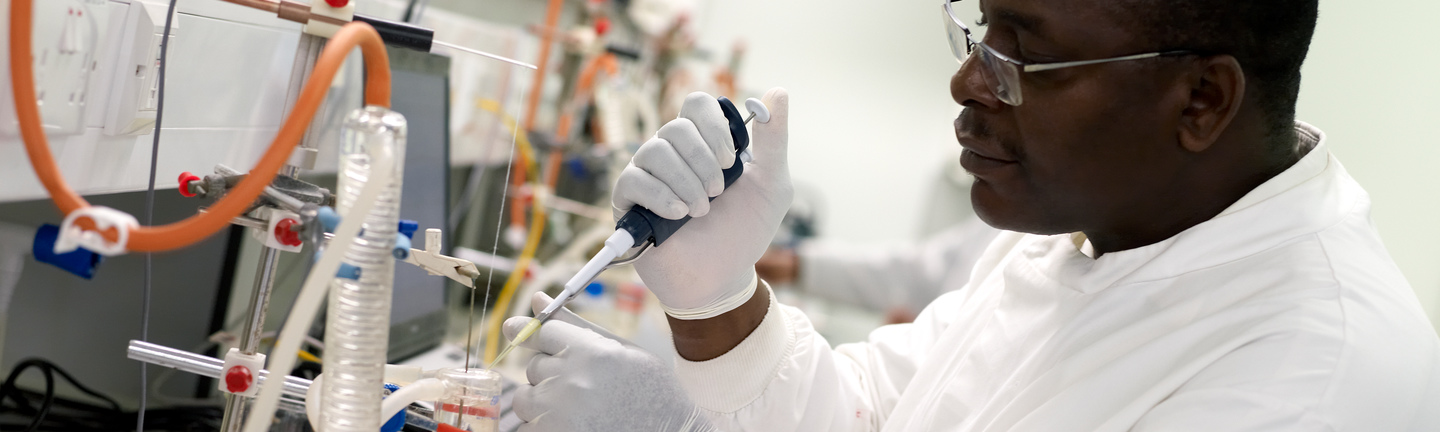
On a weekly basis students will normally spend time in lectures, seminars and practical lab sessions. Practical work is an important element of all Biosciences degrees.
Work Placement
All Biosciences students have the opportunity to undertake a work placement or study overseas in Europe or North America during their 3rd year.
Work placements are usually paid. Current employers and job titles are listed below:
- GlaxoSmithKline: Data Management - Uxbridge,
- Guy's Hospital: Drug Research Unit - London,
- Imperial College: Toxicology Unit, Faculty of Medicine - London,
- Medical Research Council - Mill Hill,
- Medifix Adhesive Products - Luton,
- Mount Vernon hospital: Restoration of Appearance and Function Trust Institute of Reconstructive, Plastic and Burns Surgery Research - Middlesex ,
- MRC: Human Genome Project - Hinxton,
- National Biological Standards Board - Potter's Bar,
- Roche UK - Welwyn Garden City,
- St. Bartholomew's & The Royal London: School of Medicine - London and St.George Medical School - London,
- St.George's Hospital: Analytical Unit - London,
- Syngenta Seeds - Cambridge,
- University of Hertfordshire: Biodeterioration Centre - Hatfield.
Our overseas partners include:
Europe:
- Université Libre de Bruxelles - Brussels, Belgium,
- Universidad de Alcalá de Henarez - Madrid, Spain,
- Universidad Católica San Antonio De Murcia, Spain,
- Linkping Universitetet - Linkping, Sweden,
- Katholieke Universiteit Nijmegen - Nijmegen, The Netherlands.
North America:
- Bemidji State University - USA,
- Bishops University, Canada,
- Central Connecticut State University - USA,
- Concordia University, Canada,
- Ecole Polytechnique - Canada,
- ETS - Canada,
- Kansas State University - USA,
- Laval University - Canada,
- McGill University - Canada,
- Oklahoma State University - USA,
- Sherbrooke University - Canada,
- University of Missouri at Rolla - USA,
- University of Montreal - Canada,
- University of Oklahoma - USA,
- University of Toledo - USA,
- University of Wisconsin at Au Claire - USA,
- University of Wisconsin at Whitewater - USA,
- UQTR - Canada,
- West Virginia University - USA.
Professional Accreditations
Eligible for state registration as a Biomedical Scientist and membership of the Institute of Biomedical Science.
Structure
Year 1
Core Modules
-
Cell Biology and Development
The module includes an overview of evolutionary cell biology, the structure of eukaryotic and prokaryotic cells, cell division, the nature of the genetic material, DNA replication, transcription and translation, an introduction to cell signaling, and the principles of developmental biology including the production of primordial germ cells and gametes (oogenesis, spermatogenesis). The skills associated with this module include effective written communication, information retrieval, presentation and analysis of experimental data using spreadsheets and graphs,and safe and effective working in a laboratory.
-
Human Physiology
This module has been designed to provide students with an understanding of human physiology, enabling them to describe physiological processes at cell, tissue, organ and organism levels. Topics covered will include: * Homeostasis and control mechanisms * Cell differentiation, basic tissues and musculature * Nervous system (electrical signalling, autonomic nervous system and central nervous system) * Cardiovascular system and blood * Respiratory system * Digestive system * Renal system * Endocrine system and reproduction * Immune system * Integrative physiology * Statistics
-
Molecular Biology and Genetics
This module will introduce the student to the organisation, function and transmission of genetic material in eukaryotes. This includes a consideration of Mendelian principles, concepts of linkage and basic human genetic epidemiology. How mutated DNA contributes to human morbidity and mortality is considered together with a consideration of how genetics and molecular biology underpin important concepts in biomedical science. Aspects of human genetic screening, ethics and counselling are included. A major emphasis of the module is to promote a basic understanding of how molecular biological (e.g. recombinant DNA technology) and molecular genetic techniques (model organism mutagenesis and gene tracking methods; human genetic epidemiology) are carried out and how these transferable skills are used in fundamental and applied molecular biosciences. This is enhanced by the student carrying out laboratory experiments in the fields of molecular biology and genetics.
-
Personal Transferable Skills 1 Bioscience
Students will complete assignments, within their discipline of choice, that include opportunities for development of their personal transferable skills. They will reflect on their development with the assistance of a personal tutor and will produce a portfolio of evidence based on the set assignments and wider experience such as from the work place or other areas of responsibility. Skills assessed are: autonomoy - taking responsibility for themselves (A); group working (GW), oral and written communication (COM), information management (IM), problem solving (PS), numeracy (NUM), self evaluation and reflective practice (SERP)
-
Introduction to Biochemistry, Microbiology & Pharmacology
Biochemistry Catabolism - the inter-relationships and control of pathways, glycolysis, TCA cycle and the beta-oxidation of fatty acids, substrate level and oxidative phosphorylation, examples of biosynthesis and the relationship between anabolism and catabolism. Protein structure, enzyme kinetics and the determination of kinetic parameters; influence of kinetic parameters on pathway operation. Microbiology Taxonomy: Classification and identification systems, risk groups and containment. Physiology: Nutritional groups the design of media and culture methods, biomass assessment. The fungi: Ecological, industrial and clinical importance. Prokaryotes: The Bacteria and Archaea, a consideration of cell structure, habitat and biochemical diversity. An introduction to viral structure and classification. Pharmacology Basic receptor theory, introduction to pharmacokinetics. The importance of knowledge of the mode of action and pharmacokinetics to the effective use of medicines and their fate in the body. Drug discovery - the approaches to drug discovery and design, influencing factors, the process of drug development and clinical trials.
-
Introduction to Biochemistry
The module will provide an introduction to biochemistry and will also incorporate aspects of chemistry specific to the study of biological systems. Subjects covered will include: the structure of key macromolecules and how this relates to their function in a cell or organism; major catabolic and anabolic pathways and their integration including glycolysis and gluconeogenesis, the TCA cycle, substrate and oxidative phosphorylation, oxidation of fatty acids, storage and mobilisation of glycogen, triglyceride storage and mobilisation, proteins for energy; kinetics including Michaelis-Menton kinetics of enzymes and the calculation of key enzyme parameters; radioactivity and its application to the study of biochemistry, thermodynamics and its application to bioenergetics.
-
Human Physiology with Pharmacology
This module has been designed to provide students with an understanding of human physiology, enabling them to describe physiological processes at cell, tissue, organ and organism levels. Topics covered will include: * Homeostasis and control mechanisms * Cell differentiation, basic tissues and musculature * Nervous system (electrical signalling, autonomic nervous system and central nervous system) * Cardiovascular system and blood * Respiratory system * Digestive system * Renal system * Endocrine system and reproduction * Immune system * Integrative physiology * Basic pharmacology including receptor theory and pharmacokinetics to show how medicines may be effectively used to treat disease. *Drug discovery, design and the process of drug development. The importance of clinical trials
-
Chemistry for Biologists
The philosophy of this module is to prepare students for their future studies in the biological sciences. The module introduces the chemical and physical principles that underlie biological processes. Students on this module will learn techniques for characterisation and separation of biological molecules, perform physicochemical calculations appropriate to biological systems and understand how the structure and reactivity of functional groups relates to their biological function. Students will gain experience of computer software packages to draw and understand the structures and shapes of molecules of relevance in biology.
-
Cell and Microbiology
The module will cover key areas of cell biology and microbiology: the nature of cells and how they divide; how the genetic information in cells is converted into functioning components; and then there will be a focus on one particular group of cells, the microbes, to investigate their importance in human health. Key topics covered will include the following 1. The structure of both prokaryotic and eukaryotic cells with an emphasis on the evolutionary origins of the cell components. Cell division. 2. The nature of the genetic material and its organisation in the cell. DNA replication, transcription and translation. 3. a. The structure and components of bacteria, fungi and viruses with relation to their identification and disease causing ability. b. The basic principles of microbial growth. c. Microbes as infectious agents; transmission and control to include basic principles of public health and epidemiology.
-
Practical and Transferable Skills
The content of this module • Practical laboratory skills- o Safe laboratory practice o Accurate pipetting and measurement, making up solutions. o Measurement of pH o Sample preparation, staining and microscopy o DNA isolation and analysis o Cell counting methodologies o Chemistry methodologies to include purification, extraction, synthesis and analysis of biological molecules o Analytical techniques including centrifugation, chromatography, spectroscopy and electrophoresis o Use of dye-binding assays and standard curves in biological measurement o Microbiology skills including aseptic technique, viable counting, diagnostic methods o Enzyme activity assays and enzyme kinetic s methodology o Measurement of physiological parameters • Transferable skills/Graduate attributes o Mathematics required for biological calculations, statistical analysis, scientific recording, presentation of data, scientific writing, use of literature and literature searching, referencing, avoiding plagiarism o Development of graduate attributes around research skills, professionalism, employability and enterprise.
-
Molecular Biology and Genetics
The genetics component covers: Mendelian inheritance including meiosis and the production of primordial germ cells and gametes (oogenesis, spermatogenesis); linkage and basic human genetic epidemiology. The relationship of mutation to genetic variation and disease is included as well as an introduction to gene regulation. Molecular methods used to study DNA and inheritance are covered and the application of these methods to research, diagnosis and treatment of disease is discussed.
Optional
-
Chemistry for Bio 2
The module will cover: the chemistry of organic functional groups; structures of small molecules found within the cell (sugars, nucleic acid bases, lipids, minerals and vitamins, amino acids and peptides etc);the structure of DNA and RNA; chromatographic and spectroscopy techniques.
-
Chemistry for Bio 1
1. An introduction to the basic concepts in chemistry required to support further study in the biosciences. Material covered includes atomic and molecular structure, the periodic table, pH and buffers, moles and molarity, chemistry of the main functional groups found in organic chemistry, chemistry of biologically important metals, thermodynamics and redox potentials.
Year 2
Core Modules
-
Biomedical Science
Haematology: the structure and function of bone marrow; the role, structure and function of red and white blood cells; the nature and diagnosis of anaemias; haemoglobinopathies and thalassaemias; haematological malignancy; haemostasis and thrombosis. Case studies demonstrating the role of the clinical haematology laboratory in the diagnosis of disease and the relationship of diagnosis to the underlying pathophysiological processes. Histology and histopathology: tissue processing; morphology of selected normal tissues; recognition of abnormalities within selected tissues; staining theory. Case studies demonstrating the relationship between the pathophysiological process and the morphological changes within tissue. Clinical biochemistry: sample preparation; pre-analytical, analytical and post-analytical variables; reference ranges; quality assurance and quality control; analysis of data; method evaluation. Case studies demonstrating the role of the clinical biochemistry laboratory in the diagnosis of disease and the relationship of diagnosis to the underlying pathophysiological processes. Biomedical science: the role of the Health Professions Council and the Institute for Biomedical Sciences; the importance of standards of proficiency; duty of care; ethics and confidentiality. Multidisciplinary case studies demonstrating the relationship between the different disciplines in the diagnosis of disease.
-
Molecular and Cell Biology
Organisation of eukaryotic genomes, chromosone structure, repetitive sequences, reassociation kinetics, transfection techniques, methods for studying gene expression, reporter genes, poII, II and III, transcription, RNA processing. Protein biochemistry - Protein structure, domains & classification. The relationship between structure and function. Protein structure and disease. Proteomics. Protein microarrays. Techniques for protein purification and characterisation; Chromatography, Electrophoresis, sequencing, X-ray crystallography, NMR. Immunological techniques. Recombinant DNA technology and the manipulation of DNA. Introduction to databases and bioinformatics tools and resources for the analysis of biological sequence data. Methods for the analysis of DNA and RNA (including real-time PCR , DNA microarrays, mouse knockout technology, RNAi). Cytogenetics. Principles of population genetics, DNA polymorphism and human diseases. Medical molecular genetics. Pharmacogenetics. Molecular diagnostics. Signal transduction pathways in eukaryotic cells including G-protein coupled pathways, receptor tyrosine kinases, cytokine-activated pathways, cell death pathway and selected examples of these pathways in cellular processes. Cell cycle regulation by proteins in eukaryotic cells.
-
Pathophysiology
This module has been designed to provide students with an understanding of human pathophysiology, enabling them to discuss the biology of disease. Topics covered will include: " Biology of disease " Cell injury and cell death " Cardiovascular disease " Renal dysfunction " Neurological disease " Endocrine disorders " Gastro-intestinal disease " Respiratory disease
-
Personal Transferable Skills 2 Bioscience
Students will complete assignments, within their discipline of choice, that include opportunities for development of their personal transferable skills. They will reflect on their development with the assistance of a personal tutor and will produce a portfolio of evidence based on the set assignments and wider experience such as from the work place or other areas of responsibility. Skills assessed are: autonomoy - taking responsibility for themselves (A); group working (GW), oral and written communication (COM), information management (IM), problem solving (PS), numeracy (NUM), self evaluation and reflective practice (SERP).
-
Bioscience Research Methods
Scientific communication to include dissection of scientific papers, plagiarism and referencing, seminar and poster presentation as well as writing Scientific methodology (philosophy) and ethics of science Experimental design Use of radioisotopes in scientific research Non-laboratory based research including questionnaire design Statistical analysis Practical Laboratory skills to support independent project work Problem-based learning on method design and experimental procedure (subject specific)
-
Microbial Disease & Immunology
A revision of the structure of microbial cells and classification of the bacteria, viruses, fungi and protozoa emphasising those having the greatest impact on human health. The natural microflora of human skin, alimentary tract and respiratory tract. A review of microbial pathogens associated with particular body regions. Fungi pathogenic to humans with particular emphasis on dermatophytes, opportunistic and deep seated fungi. Viral structure, replication and viruses as agents of human disease. The laboratory techniques for the diagnosis of microbial diseases. Mode of action of antibiotics and antibiotic resistance. Anatomy and physiology of the immune system: cells, primary and secondary lymphoid tissues, leukocyte circulation and key phenomena including; chemotaxis, opsonisation, phagocytosis, inflammation, antigen processing and clonal expansion. Natural immunity: role of phagocytic cells, the complement system, cytokines, chemokines and the acute inflammatory response. Adaptive immunity: antigen specificity of B and T cells. Antibody structure and effector functions. T cells subsets; antigen processing and presentation to T cells, the role of the major histocompatibility complex. T-helper cell subpopulations and cytokines in determining the immune response. Immunity to microbial pathogens including bacteria, viruses and selected parasites. Vaccine design strategies. Inflammation: immunology of chronic inflammation; immunopathology of selected chronic inflammatory diseases e.g. rheumatoid arthritis and other autoimmune diseases diseases. Anti-inflammatory therapies; steroidal and non-steroidal anti-inflammatory drugs.
Optional
Year 3
Core Modules
Optional
-
Sandwich Placement: Biosciences
The sandwich placement will provide students with the opportunity to expand, develop and apply the knowledge, understanding and skills learnt in the taught years of the degree in a work-based situation. The establishment will appoint a work-place supervisor, and the student will also have a University supervisor. During the placement the student will return to the University to a one day Symposium which all placement students attend. During this day they present a poster about their placement and attend talks on future employment. In particular, Applied Biomedical Students will spend 48 weeks on a training placement in an approved diagnostic laboratory performing routine diagnostic tests. In the process they will: gain an understanding of the workings of a professional, clinical laboratory; develop the skills necessary to be an independent and safe practitioner; perform various analyses in order to demonstrate competence in use of specialist laboratory equipment.
-
Year Abroad - BIO
Learning and teaching methods may include taught courses, a research project, field studies or a mixture of these components. The Year Abroad will be for two academic semesters or their equivalent. The students will therefore follow a programme negotiated by the Associate Head of School or nominee and an equivalent representative of the host institution. Prior to commencement of the Year Abroad, the student, the programme officers from the University of Hertfordshire and from the host institution will agree a learning agreement and mode of attendance.
Year 4
Core Modules
-
Clinical Biochemistry and Pathophysiology
Methods used in the biochemical investigation of disease Biochemical markers of disease in bodily fluids, plasma proteins, lipids, sugars, vitamins Biochemical principles underlying the biochemical diagnosis of disease Relationship between biochemical analysis and pathophysiology of selected diseases, endocrine disorders, pituitary, thyroid, parathyroid, adrenal, pancreas (endocrine), reproductive disorders, renal dysfunction, bone abnormalities, cardiac markers Monitoring of drug therapies and detection of substance abuse.
-
Clinical Immunology & Microbial Pathogenesis
Immune- mediated disorders, mechanisms of autoimmunity with specific examples of diseases, hypersensitivity reactions (typesI-IV) with examples of specific disorders. Immunological markers of disease, serum immunoglobulins, cytokines, related proteins, leukocyte function assays, complement assays.Transplantation immunology, HLA polymorphism, HLA function, mechanisms of host versus graft disease and graft versus host disease, anti-rejection therapy.Immunohaematology, blood group antigens, typing of red blood cells, rhesus factors, methods of determination.Bacterial virulence factors. Infection, disease and virulence factors. Colonisation and invasion of host surfaces; adherence, invasion, secretary IgA proteases, iron acquisition. Evading complement, phagocytes and the antibody response. Exotoxins, endotoxins and hydrolytic enzymes. Regulation of virulence factors and its investigation. The importance of gene regulation - gene amplification, gene rearrangement, transcriptional regulation, quorum sensing systems The design and use of vaccines Design of diagnostic tests for identification of bacterial pathogens.
-
Cellular & Molecular Pathology
Cell death and mutation. Cell death (necrosis, apoptosis), gene mutations, chromosomal disorders, and the use of computer data bases. Cancer. Definitions and classification, experimental approaches, genetic basis (oncogenes, tumour suppresor genes and DNA repair), biological basis (cell growth, invasion and metastasis), cancer treatment (cytotoxic agents and new approaches), cancer management including adverse drug reactions, cancer prevention. AIDS epidemiology, HIV structure, vaccination and therapy, diagnosis of HIV infection. Cardiovascular disease, molecular pathology, treatment including gene therapy. Molecular genetics, human genome complexity, genetic mapping of Mendelian and complex diseases, parametric and non-parametric methods with examples (eg cystic fibrosis, diabetes), linkage analysis, bioinformatics resources including computer programmes, introduction to pharmacogenetics, aspects of population genetics. Clinical genetics, gene and chromosomal testing, genetic counselling and ethical considerations in gene testing. Histology, histopathology and cytology, histochemistry, immunocytochemistry, FISH,
-
Project - Bioscience Degree
The Project provides the opportunity for extended, in-depth study on a selected aspect from those desciplines covered by the Sciences Modular Scheme and may address one or more of the Faculty's research objectives. Workshop and seminar sessions (which may be group and/or individual) provide support. All students will have a University supervisor. Projects may be laboratory or non-laboratory based. A series of research methodology workshops will be held on topics related to the formulation, safety, ethics and implementation of research, including social and scientific methods of investigation (eg statistics, questionnaires, sampling protocols), interpretation, analysis and presentation (both oral and written). Tutorials with supervisors will include discussion on aims, objectives current theories, research design, data collection and analysis, and the structure of the report. Draft copies of the report introduction, where provided by the student, will be read and commented on by the supervisor(s) prior to formal submission.
Optional
-
Project - Bioscience Degree
The Project provides the opportunity for extended, in-depth study on a selected aspect from those desciplines covered by the Sciences Modular Scheme and may address one or more of the Faculty's research objectives. Workshop and seminar sessions (which may be group and/or individual) provide support. All students will have a University supervisor. Projects may be laboratory or non-laboratory based. A series of research methodology workshops will be held on topics related to the formulation, safety, ethics and implementation of research, including social and scientific methods of investigation (eg statistics, questionnaires, sampling protocols), interpretation, analysis and presentation (both oral and written). Tutorials with supervisors will include discussion on aims, objectives current theories, research design, data collection and analysis, and the structure of the report. Draft copies of the report introduction, where provided by the student, will be read and commented on by the supervisor(s) prior to formal submission.
Fees & funding
Fees 2013
UK/EU Students
Full time: £8,500 for the 2013 academic year
International Students
Full time: £10,000 for the 2013 academic year
Discounts are available for International students if payment is made in full at registration
View detailed information about tuition fees
Scholarships
- University of Hertfordshire Sports Scholarships
- Tesco plc Marketing Scholarship
- St Albans District Chamber of Commerce Scholarship
- The School of Life Sciences Scholarship for International Students
- National Scholarship Programme
Find out more about scholarships for UK/EU and international students
Other financial support
Find out more about other financial support available to UK and EU students
Living costs / accommodation
The University of Hertfordshire offers a great choice of student accommodation, on campus or nearby in the local area, to suit every student budget.
How to apply
2013
| Start Date | End Date | Link |
|---|---|---|
| 23/09/2013 | 23/05/2014 | Apply online (Full Time/Sandwich) |
| 23/09/2013 | 23/05/2014 | Apply online (Part Time) |
| 23/09/2013 | 23/05/2014 | Apply online (Full Time/Sandwich) |
| 23/09/2013 | 23/05/2014 | Apply online (Full Time) |
| 02/04/2014 | 24/06/2014 | Apply online (Full Time) |
2014
| Start Date | End Date | Link |
|---|---|---|
| 27/09/2014 | 31/05/2015 | Apply online (Part Time) |
| 27/09/2014 | 24/05/2015 | Apply online (Full Time/Sandwich) |
| 27/09/2014 | 24/05/2015 | Apply online (Full Time/Sandwich) |
| 27/09/2014 | 24/05/2015 | Apply online (Full Time) |
| 02/04/2015 | 24/06/2015 | Apply online (Full Time) |
Key course information
- Institution code: H36
- UCAS code: B990BSc (Hons) Biomedical Science,B900BSc (Hons) Biomedical Science with a Year Abroad,
- Course code: HHBIOBIM
- Course length:
- Sandwich, 4 Years
- Part Time, 5 Years
- Full Time, 3 Years