Advanced Physiotherapy MSc
About the course
This established MSc Advanced Physiotherapy Master's degree course is designed to meet the needs of physiotherapists from a variety of different areas of specialism in physiotherapy. It enhances your current knowledge and understanding and gives you opportunities to challenge and critically evaluate your professional practice.
Applicants will normally have completed a relevant university degree and have a recognised qualification in physiotherapy. You will normally have at least one year's post-qualification experience (post internship) and evidence of appropriate continuing professional development.
Course philosophy
- Facilitates independent learning and reflection in practice
- Enhances specialist professional skills
- Explores the evidence for practice
- Recognises the place of research in the continued development of the profession
- Offers the opportunity to share ideas with other health professions in order to develop intellectual abilities and assist in advancement of health care
Course structure
The Advanced Physiotherapy Masters course is modular in structure. If you wish to collect credits towards and award or a qualification see below the award and credit requirements:
- Postgraduate certificate - 60 credits
- Postgraduate diploma - 120 credits
- Masters degree - 180 credits
To complete a Masters degree award for this course you need to collect the following credits:
- Research modules - 60 credits
- Advanced physiotherapy modules - minimum 30 credits
- Optional interprofessional modules - maximum 90 credits
Module Structure
Research modules
- Research Methods module (15 credits)
- Research Dissertation (45 credits)
Advance physiotherapy modules
- Assessment and management of lower quadrant NMS dysfunction (30 credits)
- Assessment and management of upper quadrant NMS dysfunction (30 credits)
- Independent professional study (30/15 credits)
- Independent reflection in professional practice (15/30 credits)
- Independent work-based skills 1 and 2 (15/15 credits)
- Physiotherapy in acute care
Optional interprofessional modules
- Aquatic rehabilitation (15 credits)
- Contemporary pain management issues (15 credits)
- Developing and managing people (15 credits)
- Facilitation of education in practice (15 credits)
- Foundation acupuncture (30 credits)
- Imaging for trauma (15 credits)
- Imaging for non-trauma (15 credits)
- Musculoskeletal injection therapy (15 credits)
- Non-invasive ventilation (15 credits)
- Preparing for postgraduate success - distance learning (15 credits)
- Principles of functional rehabilitation (30 credits)
- Psychological therapies for patients with pain (15 credits)
- Redesigning services for the future (15 credits)
View the MSc Advanced Physiotherapy brochure
View the Health and Emergency postgraduate and short courses prospectus
Why choose this course?
- Suitable for contemporary physiotherapists who want to specialise in physiotherapy
- Enhances clinical reasoning and specialist professional skills
- Provides flexible study options through a modular structure
- Taught by experienced staff and visiting external specialists
Entry requirements...
Applicants will normally have completed a relevant university degree and have a recognised qualification in physiotherapy. You will normally have at least one year's post-qualification experience (post internship) and evidence of appropriate continuing professional development.
Membership of the Health Professions Council (HPC) and Chartered Society of Physiotherapy (CSP) is required.
If English is not your first language you are required to demonstrate English Language proficiency of IELTS at Level 7.0 (including 7.0 in the writing component) or TOEFL internet-based test 100, or paper-based test 600
For more information and application forms contact:
Mary Sexton
Programme Leader
tel: +44 (0)1707 284689
Study routes
- Part Time, 6 Years
- Full Time, 1 Years
Locations
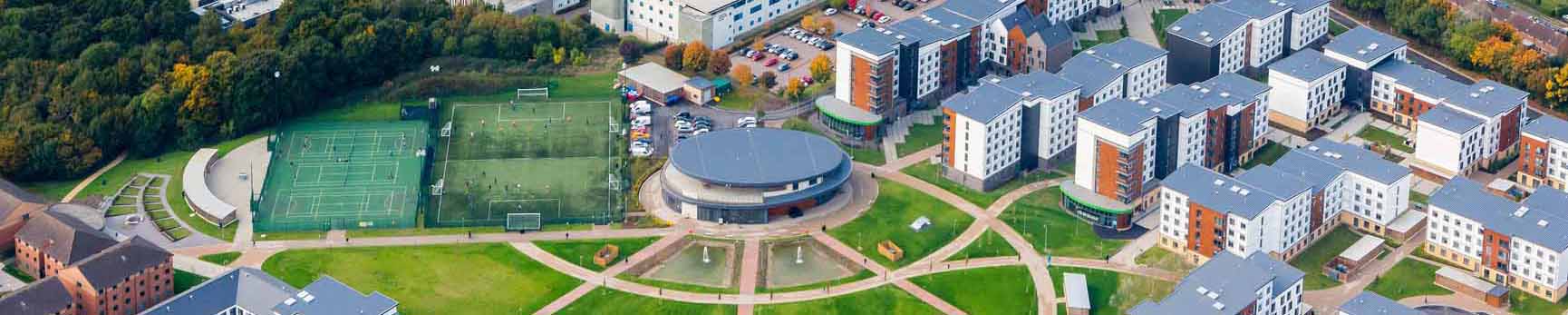
- University of Hertfordshire, Hatfield
Careers
The MSc Advanced Physiotherapy will enhance your career development by developing your skills, knowledge and understanding of your Physiotherapy practice.
Teaching methods
Modules are facilitated by a variety of experienced lecturers from the University as well as external lecturers.
Delivery of modules incorporates blended learning which aims to combine e-learning activities with campus based learning. You need to have access to a suitable personal computer and a good reliable Internet connection (broadband recommended). Most modern PCs or Macs (less than 3 years old) should be suitable. If you have any queries or need any additional support with IT skills, the School employs an e-learning technologist who will be pleased to help and advise you. Please contact the module lead for details.
Modules are assessed by a variety of methods for example essays, presentations, reports, posters and practical examinations.
Professional Accreditations
You can obtain accredited clinical educator status through an experiential or taught route.
Structure
Year 1
Core Modules
Optional
-
Assessment and Management of Lower Quadrant Neuromusculoskeletal Dysfunction
The module consists of both traditional and blended learning including lectures group and peer led tutorials and directed learning tasks. Students will be expected to participate in discussions regarding the theoretical considerations and practical issues surrounding the assessment and management of patients with neuromusculoskeletal dysfunction. Students will be encouraged to draw on past experiences of clinical practice and educational processes (e.g. relevant postgraduate training/courses)and actively engage in evaluation of relevant published material and contemporary clinical practices within the neuromusculoskeletal field. The content of the module will include the management of patients with acute and chronic neuromusculoskeletal dysfunction resulting from disease, trauma and surgery. There will be an emphasis on clinical examination, evaluation, interpretation, differential diagnosis and therefore classification and treatment. Classification of spinal pain disorders and subsequent sub-category based treatment strategies is the way forward in manual therapy, and there is increasing evidence to support this. Mapping to KSF: The module contributes to the development of knowledge and understanding for KSF Core dimensions 1, 2, 4, 5, Health and Well Being 6, 7, Information and Knowledge 2, 3 and General 1.
-
Assessment and Management of Upper Quadrant Neuromusculoskeletal Dysfunction
The module consists of both traditional and blended learning including lectures, group and peer led tutorials and directed learning tasks. Students will be expected to participate in discussions regarding the theoretical considerations and practical issues surrounding the assessment and management of patients with upper quadrant neuromusculoskeletal dysfunction. Students will be encouraged to draw on past experiences of clinical practice and educational processes (e.g. relevant post graduate training/courses) and actively engage in critical evaluation of relevant published material and contemporary clinical practices within the neuromusculoskeletal field. Mapping to KSF (only relevant to students employed by the NHS): The module contributes to the development of knowledge and understanding for KSF Core dimensions 1, 2, 4, 5, Health and Well Being 6, 7, Information and Knowledge 2, 3 and General 1
-
Contemporary Pain Management Issues in the Health Sciences
Students will be encouraged to draw on past experiences of clinical practice and educational processes (e.g. relevant postgraduate training/courses) and actively engage in critical evaluation of relevant published material and contemporary clinical practices within the pain field. The teaching of this module will be multidisciplinary, and is aimed at multiple professions. Where appropriate, expert external speakers will be brought in to ensure that the currency of the curriculum offered is at the cutting edge of clinical practice. Mapping to KSF dimensions- This module contributes to the development of knowledge and understanding of Core Dimensions 1,2,5, Health and Wellbeing 1,2, Information and knowledge 2,3 and General 1,2.
-
Developing and Managing People in Healthcare
Students will be supported in the achievement of the learning outcomes through the use of the application of theory and models to their own and peer's work environments. Participants will take part in online activities that will support their learning. Students will be required to analyse theoretical concepts, critically appraise the literature and examine the theory and the reality of practice. Students will be expected to access databases and the wider web based material, as well as written literature. Mapping to KSF: This module contributes to the development of knowledge and understanding for Core Dimensions 1, 2, 4, 6 and to General 1, 6, 7.
-
Facilitation of Education in Practice 1
This module, by the use of tutor supported independent study and workshops, explores, reflects upon and develops the individual learning achieved through the support, mentorship and educational role associated with their professional practice eg the support of peers, more junior colleagues, unqualified staff including students, other members of the multidisciplinary team,clients and carers and members of external organisations. The module will be supported by blended learning initiatives which will enable the student to maximise their learning in the practice environment. Mapping to KSF: This module contributes to the development of knowledge and understanding for Core Dimensions 1, 2, 3,4, 5,6 Information and Knowledge 2, 3 and General 1 and 6
-
Facilitation of Education in practice 2
This course, by the use of tutor supported independent study and workshops, explores, reflects upon and develops the individual learning achieved through the support and mentorship role associated with the support of learners in the practice setting. This module contributes to the development of knowledge and understanding for KSF Core Dimensions 1, 2, 3,4, 5,6 Information and Knowledge 2, 3 and General 1 and 6.
-
Imaging for Non-Trauma
This module takes an overview of the pathophysiological processes that affect the bones and joints of the skeleton. The module includes the effect of disease of the skeleton on patient presentation. There will be emphasis on image appearances, both of normal images and the changes brought about by a range of non- trauma pathologies. The radiographic techniques utilised to obtain the skeletal images will be reviewed. The module will be suitable for health care professionals whose employment involves working with radiographic images. Mapping to KSF: The module contributes to the development of knowledge and understanding of Core dimensions 2, 4, 5, Health and Wellbeing 7 and 9.
-
Imaging for Trauma
This module takes an overview of the traumatic processes that affect the bones and joints of the skeleton. The module includes the effect of the mechanisms of injury on the skeleton and on patient presentation. There will be emphasis on image appearances, both of normal images and the changes brought about by trauma. The module will be suitable for health care professionals whose employment involves working with radiographic images. Mapping to KSF dimensions: the module contributes to the development of knowledge and understanding of Core dimensions 2, 4, 5, Health and Well Being 7 and 9
-
Independent Professional Study 1
The module enables students to study areas of personal interest within their own professional context. The topic will inform and be of benefit to development of their practice. An individually tailored outcomes-based programme of study is developed with guidance from an academic tutor. Mapping to KSF (only relevant to students employed in the NHS) The module contributes to the development and understanding for KSF Core dimensions 1,2,4,5. Additional dimensions will be identified by the student depending on their chosen topic and will be identified in the course guide.
-
Independent Professional Study 2
The module enables students to study areas of personal interest within their own professional context. The topic will inform and be of benefit to development of their practice. An individually tailored outcomes-based programme of study will be developed with guidance from an academic tutor. Mapping to KSF (only relevant to students employed in the NHS) The module contributes to the development and understanding for KSF Core Dimensions 1,2,4,5. Additional dimensions will be identified by the student depending on their chosen topic and will be identified in the course guide.
-
Independent reflection in professional practice 1
An individually negotiated course that, by the use of a blend of profession specific tutor supported independent study and work based learning, facilitates the student to explore, reflect upon and develop the individual learning achieved through the day to day activities in their area of professional practice. Mapping to KSF (only relevant to students employed by NHS): The module contributes to the development of knowledge and understanding for KSF Core dimensions 1, 2, 4, and 5. Additional dimensions will depend upon the activities selected by the student.
-
Independent reflection in professional practice 2
An individually negotiated course that, by the use of a blend of profession specific tutor supported independent study and work based learning, facilitates the student to explore, reflect upon and develop the individual learning achieved through the day to day activities in their area of professional practice. Mapping to KSF (only relevant to students employed by NHS): The module contributes to the development of knowledge and understanding for KSF Core dimensions 1, 2, 4, and 5. Additional dimensions will depend upon the activities selected by the student.
-
Independent work based skills 1
This is an individually negotiated module that, by use of profession specific tutor supported independent study, explores, reflects upon and develops the learning and skills acquisition of the individual. The module enables students to develop skills in a particular area of practice as identified by the individual and supported by their line manager where relevant. The area of skills development will be of benefit to developing their chosen area of professional practice. An individually tailored outcomes-based programme of study is developed with guidance from a profession specific academic tutor. A clinical placement within the area appropriate to their practice and with agreement from their line manager (where relevant) is required in order to undertake the module.
-
Independent work based skills 2
This is an individually negotiated module that, by use of tutor supported independent study, explores, reflects upon and develops the learning and skills acquisition of the individual. The module enables students to develop skills in a particular area of practice as identified by the individual and supported by their line manager where relevant. The area of skills development will be of benefit to developing their own area of practice. An individually tailored outcomes-based programme of study is developed with guidance from a profession specific academic tutor. A clinical placement within the area appropriate to their practice and with agreement from their line manager (where relevant) is required in order to undertake the module.
-
Injection Therapy
This module is for experienced practitioners who wish to include injection therapy as part of their management of patients with musculoskeletal dysfunction involving the peripheral joints. The module will include lectures, tutorials, workshops and practical sessions in order for students to develop the knowledge and skills to be able to perform injection therapy safely and competently. Studynet will be used to enhance the learning and teaching of the module.
-
Non Invasive Ventilation
This module provides participants with the opportunity to explore the role of non-invasive ventilation in a range of acute and long term conditions including respiratory failure and obstructive sleep apnoea and the overlap with nocturnal hypoventilation, also known as Pickwickian syndrome. Specific issues relating to the use of NIV in children and those with spinal injuries, neuromuscular diseases and chest wall deformities will be examined. Evidence underpinning assessment, predictors of success or failure and evaluation will be critically analysed. Ethical issues, service provision, the development of protocols/guidelines and the setting of standards will be addressed with regard to the development of NIV practice within the clinical setting. Mapping to KSF: This module contributes to the development of knowledge and understanding for the following KSF dimensions: Core Dimensions 1, 2, 4, 5, Health and Well Being, 2, 5, 6, 7 and 9.
-
Physiotherapy in Acute Care
This module is designed for students who have a degree or equivalent in Physiotherapy wishing to specialise in the field of Cardiorespiratory Physiotherapy. The module runs over the period of two semesters and is intended for students to consolidate and further develop their knowledge of physiology and cardiorespiratory physiotherapy practice through exploration of the current evidence base and enhancement of their problem solving abilities in the area of acute patient care. Students will increase their understanding of the political and service related drivers that influence the overall management of the acutely ill patient. Mapping to KSF (only relevant to students employed by NHS): The module contributes to the development of knowledge and understanding for KSF Core dimensions 1, 2, 3, 5, Health and Well Being 6, 7, Information and Knowledge 2, 3, and General 1.
-
Preparing for Postgraduate Success
The module content includes developing academic skills in preparation for post graduate study and assessment. Students will search and evaluate sources of evidence including: databases, journals, books, grey literature, media websites and publications. Evaluation of professional and government guidelines will be a key component of the module. Students will also be facilitated to develop their critical reflection skills and academic writing and communication. Additionally, the module will also include study skills such as time management and planning for assessments.
-
Principles of Functional Rehabilitation
This module is designed for health professionals with a health related degree or equivalent who wish to further develop their knowledge, skills and understanding of functional rehabilitation. Students will be expected to participate in workshops, discussions and debate regarding key principles, evidence base and practical issues surrounding physical activity, exercise prescription, applied biomechanics, clinical reasoning, motor learning, exercise psychology, outcome measures and functional rehabilitation within healthcare or work settings. Mapping to KSF (only relevant to students employed by NHS): The module contributes to the development of knowledge and understanding for KSF Core dimensions 1, 2, 4, 5, Health and Wellbeing 6, 7, Information and Knowledge 2, 3 and General 1.
-
Principles of Musculoskeletal Assessment and Triage
This module is designed for physiotherapists who wish to enhance their knowledge and understanding of assessment, management and triage of acute and acute on chronic musculoskeletal injuries and conditions. Students will study the mechanisms of injury, pathophysiology, assessment and management of selected acute and acute on chronic musculoskeletal injuries and conditions. The focus of the module will be on clinical assessment, clinical reasoning, triage, initial management and planning appropriate management pathways relevant to a range of clinical and competitive settings. Also included in the module will be a review of key biomedical and radiographic tests. Interprofessional working and exploring the contemporary roles and scope of practice of the multidisciplinary team will be included in the module. Students will be encouraged to reflect critically on their own practice and will be expected to actively participate in skill sharing workshops, discussions and debate. Mapping to the KSF (only relevant to students employed by NHS): The module contributes to the development of knowledge and understanding for KSF Core dimensions 1,2,5 Health and well being 2,3,6,7,8 Information and knowledge 2,3, General 1
-
Research Dissertation
This module is primarily self-directed where students will undertake a self-directed independent research project typically under the direction of a project supervisor or supervisors. Any quantitative, qualitative or combined methodologies may be used as appropriate to the question under investigation. Library based projects and reviews may be considered but must address a clear research question and follow a rigorous, structured methodology. Students are required to undertake the project in an area relevant to their work practice. Research may form part of an ongoing programme of research in the School or the students' place of work, but must show evidence of originality. Mapping to KSF: This module contributes to the development of knowledge and understanding of Core Dimensions 1,2,4,5,General 2 and Information and Knowledge 2,3.
-
Research Methods
The module consists of both traditional and blended learning, including lectures, group and peer led tutorials, and directed learning tasks. Students will be expected to participate in discussions regarding the philosophical considerations and practical issues surrounding research within the healthcare or work setting. Students will be encouraged to draw on past experiences of research and evaluative processes (e.g. audit) and actively engage in critical evaluation of relevant published material within their specialist field in addition to generic research methodology literature. Through these processes, students will develop their understanding of the key issues underpinning research in practice and the place of research within evidence based healthcare or their work setting. Mapping to KSF: This module contributes to the knowledge and understanding for Core Dimensions 2,4, Information and knowledge, 2,3 and General 1,2.
- Research Methods Distance Learning
Fees & funding
Fees 2013
UK/EU Students
Full time: £6,700 for the 2013 academic year
International Students
Full time: £11,000 for the 2013 academic year
Discounts are available for International students if payment is made in full at registration
View detailed information about tuition fees
Other financial support
Find out more about other financial support available to UK and EU students
Living costs / accommodation
The University of Hertfordshire offers a great choice of student accommodation, on campus or nearby in the local area, to suit every student budget.
How to apply
2013
| Start Date | End Date | Link |
|---|---|---|
| 24/09/2013 | 21/09/2014 | |
| 24/09/2013 | 21/09/2014 | |
| 21/01/2014 | 17/01/2015 | |
| 21/01/2014 | 17/01/2015 | |
| 24/09/2013 | 21/09/2014 | |
| 21/01/2014 | 17/01/2015 |
2014
| Start Date | End Date | Link |
|---|---|---|
| 24/09/2014 | 21/09/2015 | |
| 24/09/2014 | 21/09/2015 | |
| 21/01/2015 | 17/01/2016 | |
| 21/01/2015 | 17/01/2016 | |
| 24/09/2014 | 21/09/2015 | |
| 21/01/2015 | 17/01/2016 |
Key course information
- Course code: HHMPHYMSC
- Course length:
- Part Time, 6 Years
- Full Time, 1 Years