Stapleford Granary Network
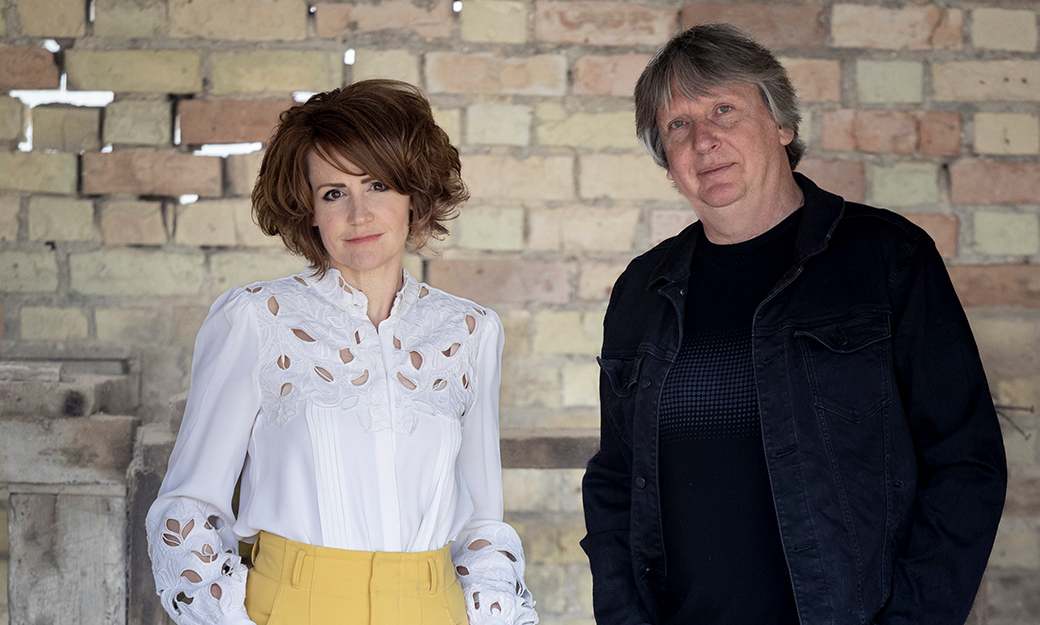
Knowledge Exchange Placement – Rob Godman and Kate Romano
Stapleford Granary Arts Centre
Project details
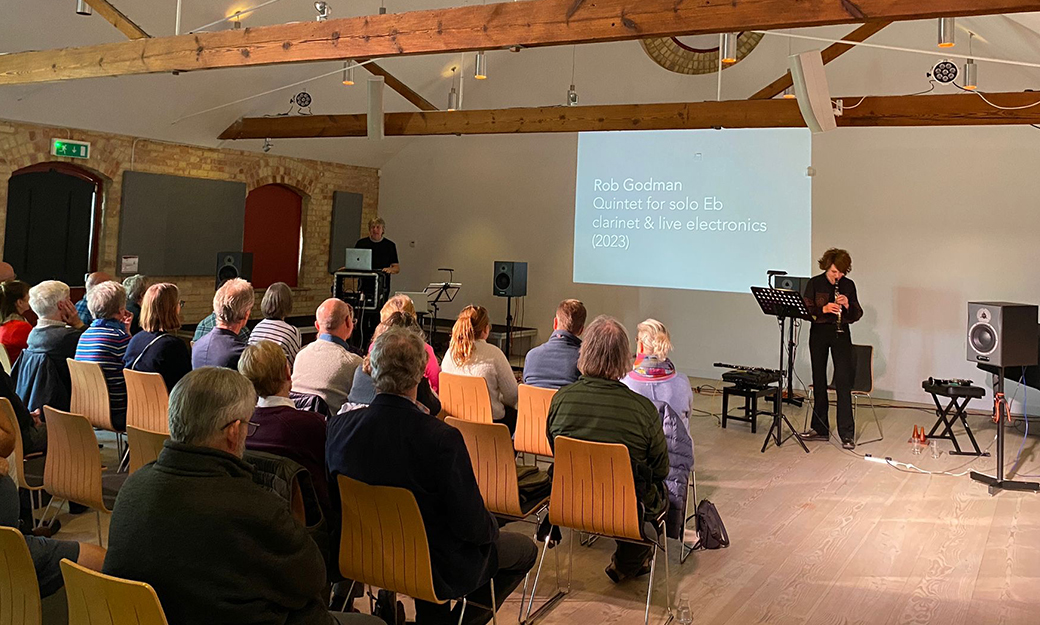
This knowledge exchange places composer / sound artist Rob Godman within Stapleford Granary Arts Centre, working with CEO / clarinettist Dr Kate Romano. Together, they will decipher, analyse and interpret a body of little-known, unpublished music for clarinet and electronics composed in the pre-digital 1970-80s by American pioneer William O Smith (1929 - 2000). We seek to create and disseminate new performance materials for Smith’s obsolete music, opening up a ‘dead spot’ in the repertoire. We will bring this neglected repertoire into historical performance discourse, whilst asking the question: to what extent is it possible to ‘future-proof’ music?
We aim to:
- decipher, analyse and interpret the hand-written scores and annotations of a body of unpublished music for clarinet and electronics by Wiliam O Smith, an American pioneer in jazz, performance and composition
- address the challenges of the (now obsolete) technology used in the music, adapting this for current tools and practices (eg creating customisable software replications of obsolete hardware)
- create high quality professional recordings / films of the new performances and make these widely available to the interested general public
- disseminate new performing materials amongst professional / emerging clarinet players via our networks (UK music conservatoires) and provide mentoring for emerging creative partnerships
Pathways to Impact:
- A reframing of this little known 20th Century repertoire to a 21st Century audience
- The AV work, created by David Lefeber, will be disseminated through Stapleford Granary’s website, Romano’s blog and targeted social media.
- Give new insights to musical professionals and educators regarding by providing talks and workshops in HE and community environments [Romano and Godman have a track record of this delivery – Guildhall School of Music and Drama, University College Chichester, Welcome Trust etc.]
- Explore the potential for providing short-courses to discuss the wider aspects of recent obsolete technology
- Demystify the process of creating hardware emulations from an Arts:Sci perspective, enabling detailed discussion of the benefits (or losses) when obsolete technology is used.
Cultural impact:
The practice of performing historical music is one of the most prevalent topics of scholarship and debate in classical music. Music of the 1970s and 80s has been noticeably absent from the discourse, largely considered too recent to enter into discussions. However, there is a body of music from this era combining acoustic instruments and live electronics which, due entirely to its own progressive and experimental qualities, quickly became obsolete. Performing this music today requires a new collaborative skill set from instrumentalists and technicians, and an informed aesthetic approach. This knowledge exchange takes steps to bring this unknown body of repertoire into the conversation, and the concert hall.
Targeted areas of reach:
- Performers
- we will create and disseminate new performing materials (clean scores, guides, bespoke software system) for musicians & sound engineers
- we will facilitate and mentor new committed artistic partnerships via our combined networks (eg between performers and sound artists from CA’s Arts:Sci lab)
- Publication of journal articles alongside widely accessible blogs, press features
- New audiences, hearing this music for the first time (digital distribution) or via other means eg radio or live performance