
‘Game-changer’ jab for opioid dependency treatment linked to lower NHS demand, report suggests
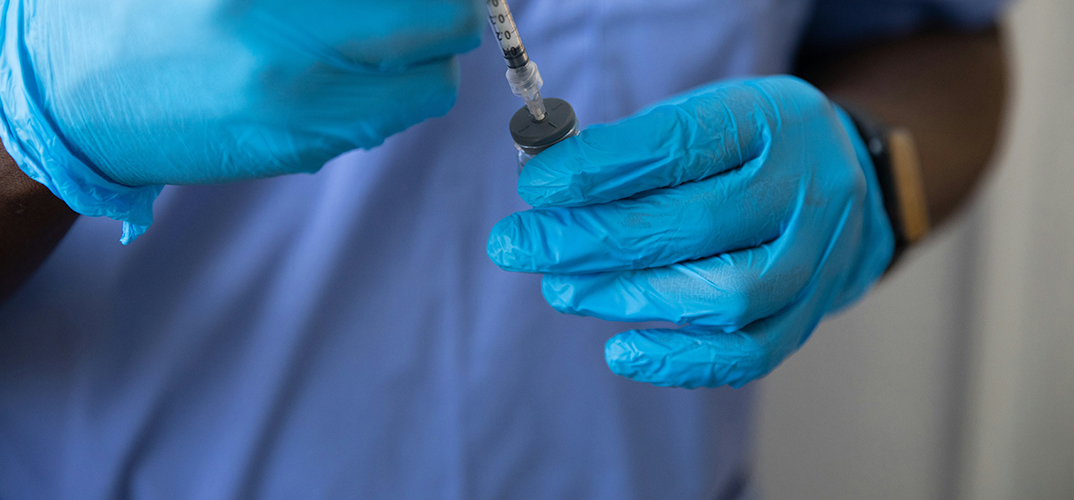
But the injection, known as Buvidal, should be offered as part of a wider, person-centred treatment system, integrated with psychological support and meaningful social activities rather than positioned as a standalone solution, authors of the report recommend.
The global opioid crisis is thought to be of epidemic proportion, with an estimated 60 million people using unregulated opioids in 2023 worldwide.
In England alone, there were nearly 330,000 adults in contact with drug and alcohol treatment services between April 2024 and March 2025, with a large proportion seeking treatment for opioids.
There are two main medications used to treat opioid dependence in the UK: methadone and buprenorphine.
These substitution treatments work by reducing or stopping withdrawal and cravings without producing the extreme highs.
But both come with risks, such as non-medical use and overdose, and as a result treatment models are based on daily supervised dosing, which is costly and can be inconvenient.
Buvidal is a prolonged-release form of buprenorphine, delivered by weekly or monthly injection rather than daily oral dosing at clinics or pharmacies.
For many patients seeking treatment, this can be life-changing, removing the need to structure each day around medication collection and reducing the stigma that can come with visible treatment routines, researchers say.
Buvidal was recommended for use by the National Institute for Health and Care Excellence (NICE) in England in 2019, with some specialist and GP services in parts of England and Wales offering it as a treatment option.
But it wasn’t until the Covid-19 pandemic that the treatment was rolled out widely and rapidly to provide safe and continuous management of opioid dependency when patients were unable to visit clinics.
The new report, commissioned by the Welsh Government and led by researchers from the University of South Wales (USW), draws together evidence to examine how the medication has been implemented since its introduction in Wales, and whether it is living up to claims that it could transform treatment for opioid dependence.
USW’s Professor Katy Holloway said the findings show both the promise of Buvidal and the importance of how it is delivered.
She said:
“This research has enabled us to develop an in-depth understanding of the evolution of Buvidal treatment in Wales.
“What comes through very strongly is that Buvidal can offer people a sense of stability and breathing space that daily treatments don’t always allow.
“For some, it reduces the constant pressure of managing withdrawal and appointments, making it easier to focus on work, relationships, and recovery. But it’s not a silver bullet. The context around the substance use really matters.”
Buvidal has often been described as a ‘game changer’ in opioid treatment, and the researchers say the evaluation supports many of those claims.
Evidence included in the report points to good treatment retention, reduced use of opioids, and positive patient experiences, particularly among those who struggled with daily dosing routines, according to Fabrizio Schifano, Professor of Clinical Pharmacology at the University of Hertfordshire.
He said:
“Our study identified that patients on Buvidal tended to use healthcare services less often than those on methadone and oral buprenorphine, which translates into lower healthcare utilisation costs to the NHS.
“Indeed, the difference was most marked in relation to use of the ambulance service.”
However, while Buvidal demonstrates clear benefits, the evaluation also paints a complex picture.
Findings showed some participants experienced challenges during induction onto Buvidal while others continued to use additional substances to deal with boredom, isolation, or resurfacing trauma.
Services reported that staff training, clinical confidence, and resources played a crucial role in users’ experiences of Buvidal.
The report comes at a critical time, as opioid-related harms remain a major public health concern across the UK.
It calls for Buvidal to be offered as part of a wider, person-centred treatment system, integrated with psychological support and meaningful social activities rather than positioned as a standalone solution.
Prof Holloway said:
“This evaluation reminds us that effective treatment isn’t just about medication. It’s about dignity, giving people real options, and addressing the root cause of substance use.
“While Buvidal can play an important role, it must be embedded in compassionate, well-resourced, wrapround care, and patient networks and forums.”
The Evaluation of Buvidal report is now available online and is expected to inform ongoing discussions among practitioners, commissioners, and policymakers about the future of opioid treatment in the UK.
This research was a collaboration between the University of Hertfordshire, USU and Wrexham University and included criminologists, psychologists, a social worker, a consultant addictions psychiatrist, a medically trained researcher, and a statistician.
Learn more about our Centre for Health Services and Clinical Research.