
Making Positive Moves: Supporting people with learning disabilities to live their best lives after moving out of hospital
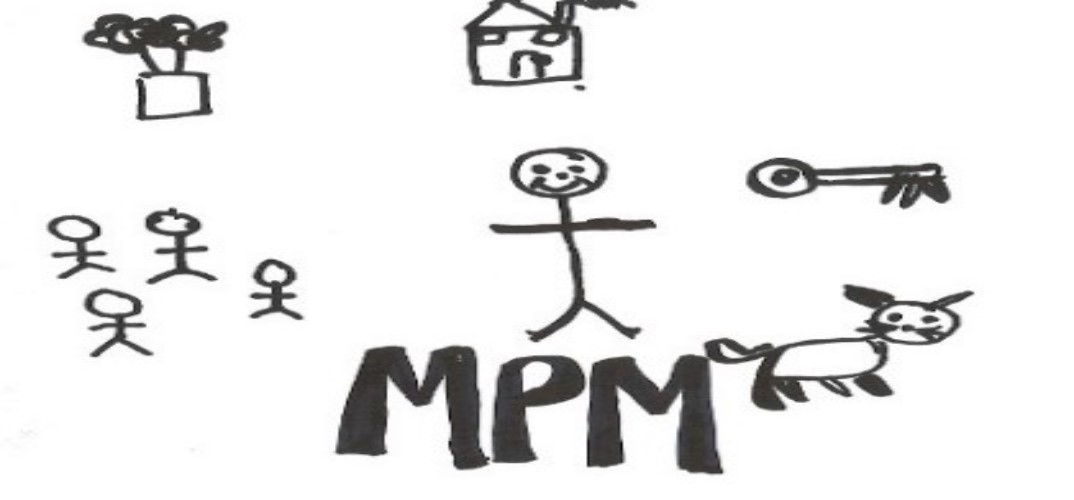
Following an abuse scandal unearthed by Panorama in 2011, the UK government launched ‘Transforming Care’ in 2012 to support people with learning disabilities to live independently in their communities instead of hospital settings. However, reports of neglect and abuse of those living in hospitals continue, and despite calls from charities, health and social care professionals and advocates, too many people with learning disabilities remain living in inappropriate hospital placements.
Making Positive Moves was a research project that aimed to understand the experiences of people with learning disabilities who had moved out of hospital into their own homes to understand what support is needed after discharge to promote quality of life and reduce risk of readmission.
We interviewed 22 people in different parts of England to find out what helped them live their best life in the community, and 18 of this group also spoke to us again around one year later. Some people chose a key support person to take part in interviews with them, either a paid staff member or a family member.
We used an approach called ‘Grounded Theory’ to analyse the interviews. This helped us create a model to explain how people live their best lives. There were four foundations that were needed:
- feeling safe in my relationships
- making choices
- belonging and keeping busy
- feeling happy with who I am
If these foundations were not in place, people’s lives and wellbeing could be impacted.
We have created an animated video about our model, which has more information about each of the foundations and how they can help people to live their best life. You can watch it here.
A key finding that really struck us was about the fundamental nature of having a trusted and consistent support network. This is something we all need in our lives, but for people with learning disabilities who are moving out of hospital, it is even more crucial. Yet, sometimes this was lacking and this led to people feeling insecure and unknown, with their emotional and practical needs not being fully met.
Without the ‘feeling safe in my relationships’ foundation being in place, it was more difficult for people to make appropriate choices, feel a sense of belonging, have meaningful activities in their life and feel happy with who they were.
We held a series of coproduction workshops in 2024 and 2025 to develop a toolkit based on our research findings, which aims to support people with learning disabilities and their support network to strengthen foundations. We’re working on the final version of this toolkit which will be free to download from our website when it’s ready. Watch this space!
This study was funded by the National Institute for Health and Care Research (NIHR) Research for Patient Benefit (PB-PG-1217-20032). The views expressed are those of the author(s) and not necessarily those of the NIHR or the Department of Health and Social Care.
Author
Associate Professor in Research, Dr Silvana Mengoni