
OPINION: Why justice reform must include mothers
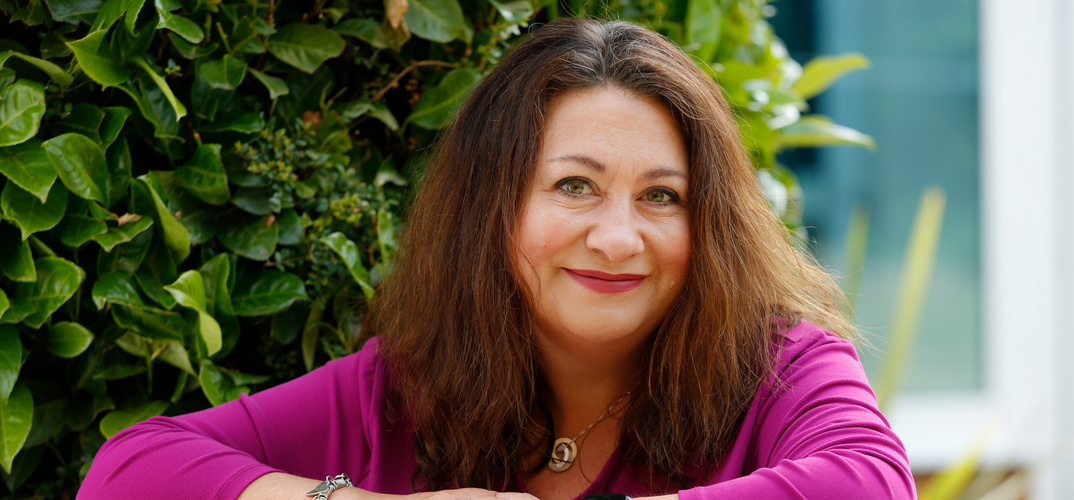
Every year, hundreds of women in the UK enter prison while pregnant or after giving birth, yet their needs are largely missing from justice debates. Drawing on her decade of research, including The Lost Mothers Project, Laura Abbott shows how neglect shapes their experiences and why reform must centre mothers.
Each year, hundreds of women in the UK enter prison while pregnant or shortly after becoming mothers. Their experiences rarely appear in policy papers, public debate, or media narratives about criminal justice reform. Yet the consequences of ignoring them are profound - for the women themselves, for their children, and for a society that ultimately shoulders the cost of trauma, disrupted families, and lost potential.
My decade of research into pregnancy in custody shows how deeply the justice system has historically overlooked these women. When I first began this work, even the number of pregnant women in prison wasn’t being recorded. Their health, social and emotional needs were treated as peripheral, and their experiences were shaped by institutional thoughtlessness (the routine failure to consider pregnant women in prison structures) and institutional ignominy, (the profound shame associated with being pregnant in prison). These concepts became central to understanding both the physical and psychological realities women faced.
Through The Lost Mothers Project, funded by the ESRC and NIHR ARC East of England, and supported by my earlier Mildred Blaxter Fellowship awarded by The Foundation for Sociology of Health and Illness, I documented the consequences of this neglect. This work was undertaken in partnership with the charity Birth Companions and co-produced with a team of women with lived experience of pregnancy and mother–baby separation in prison, whose insight has been integral throughout. The research has directly contributed to the significantly changed landscape we see today.
Pregnancy and birth should never be invisible. But in prison, they often are.
Many recounted going into labour feeling unsupported. Small oversights - a missed note, a delay in transport, a lack of continuity in care became distressing turning points in experiences that should have been centred on safety and compassion. While there have been important improvements, including the introduction of Pregnancy Mother and baby Liaison Officers (PMBLOs) and specialist midwives, the evidence remains clear that prison is not an appropriate environment for pregnancy, and women should be diverted to community-based alternatives wherever possible.
A justice system that seeks to support rehabilitation must treat pregnancy as a critical and protected period. A mother’s wellbeing underpins her dignity, her future opportunities, and her capacity to parent.
Separation remains one of the most traumatic - and least examined – consequences of imprisonment
Perhaps the most devastating findings from our Lost Mother’s research concerned the separation of mothers and their newborns. Many women described the moment they handed over their baby as the most painful experience of their lives. The trauma of abrupt separation rippled across every aspect of their wellbeing.
This is not simply a matter of individual hardship. Forced separation affects maternal mental health, attachment, and long-term resilience. It affects children’s early development, their sense of security, and their future relationships. And it affects society, which ultimately bears the consequences of unmanaged trauma and fractured family bonds.
Reform must acknowledge these harms as systemic, not unfortunate by products.
Most mothers in prison are serving short sentences and for issues rooted in inequality
The majority of women in prison are serving short sentences, often for nonviolent offences. Many have experienced domestic abuse, poverty, addiction, or unstable housing long before they encounter the criminal justice system. These are women whose histories of trauma shape the circumstances that lead to their convictions, and whose rehabilitation depends on addressing those underlying issues.
Short custodial sentences continue to disrupt families without clear evidence of improved outcomes. In contrast, supportive alternatives, such as community-based orders and trauma-informed interventions, are often associated with better long-term outcomes for both mothers and children. While there is growing evidence on the ground of positive change, access to these approaches remains uneven.
Justice reform must continue to ask the harder question: what purpose does imprisonment serve when the harm it causes may outweigh its intended benefits?
Professionals are doing their best – but the system isn’t built for them to succeed
Our research also captured the voices of midwives, health visitors, prison staff and social workers doing their best within structural constraints. They spoke of the emotional burden of witnessing distressing separations, the logistical challenges of coordinating care, and the frustration of limited resources and unclear pathways.
The issue is not a lack of professional commitment. It is a lack of systemic alignment. Without clear guidance, specialist training, and properly resourced multidisciplinary collaboration, no individual professional can bridge the gaps alone.
We are beginning to see this through the work of the Women’s Justice Board and the National Advisory Forum, reflecting growing leadership, coordination, and political will. However, change takes time and is not yet happening quickly or consistently enough. On the ground, persistent issues such as poverty, lack of housing, and the revolving door of disadvantage mean that, for some women, prison can still appear a safer option, something that should not be the case.
Reform requires sustained leadership, coordination, and political will, but above all, it requires recognising mothers as whole people, not peripheral cases.
If we want justice to be fair, humane and effective, mothers must be part of the conversation
Mothers in prison are often spoken about - but their lived experience does not always get heard. Their stories reveal not only suffering, but strength. Many are determined to rebuild their lives, maintain relationships with their children, and move beyond the circumstances that led to their imprisonment. When supported properly, they do.
A justice system that recognises motherhood is not “soft” on crime. It is smarter. Healthier. More sustainable. And more aligned with the values we claim to hold: fairness, dignity, and the belief that people can change.
Although mothers are now recognised within policy, recognition on paper is not enough; these commitments must be consistently put into practice. Until policies are fully implemented in day-to-day prison life, we will continue to fail the women in our care and, inevitably, their children.
Justice reform that ignores mothers is incomplete. Justice reform that centres them is transformative.
About the author
Professor Laura Abbott is a leading expert in maternal health and criminal justice at the University of Hertfordshire. Her decade‑long research, including The Lost Mothers Project, has brought national attention to the experiences of pregnant women and new mothers in prison. Working in partnership with charities and women with lived experience, her work has helped shape policy, improve data collection, and highlight the urgent need for compassionate, evidence‑based reform.