
Herts research into young people's internet use featured on BBC's The One Show
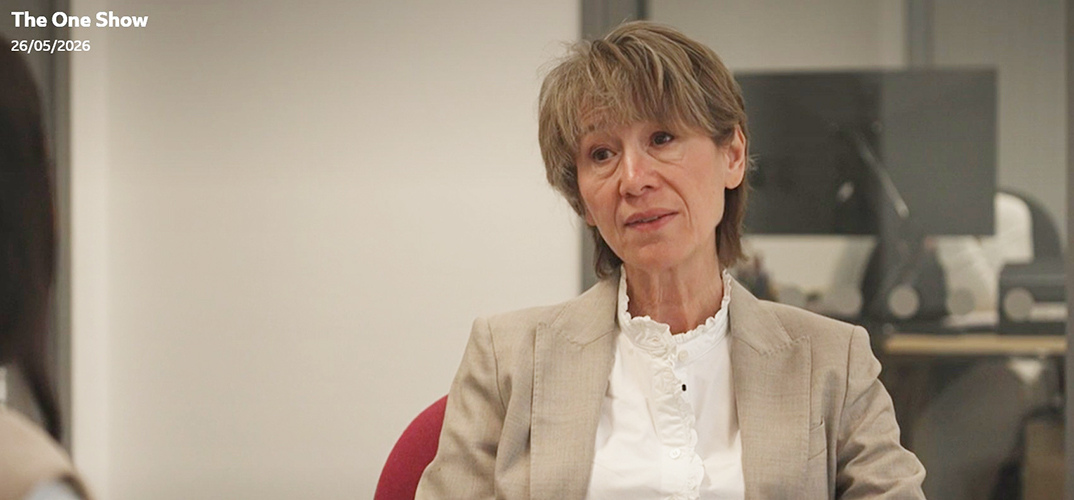
Pioneering research from the University of Hertfordshire exploring internet use among young people has been featured on BBC One's The One Show.
The €7.5 million BootStRaP project, led by Professor Naomi Fineberg, is investigating how adolescents across Europe engage with the internet and identifying when online behaviour may become harmful.
Professor Fineberg spoke to presenter Angellica Bell about the study's progress, having previously appeared on the programme when the project launched last year.
Since then, more than 5,000 young people have participated in the research, including around 400 pupils from eight secondary schools across Hertfordshire and London.
Students from Croxley Danes School and Onslow St Audrey's School shared their experiences of taking part in the project, describing how it had encouraged them to become more aware of their phone use, reduce screen time and reconnect with hobbies, sport, and face-to-face social activities.
Teachers involved in the study also highlighted the positive impact the research has had in schools, helping to spark important conversations around digital wellbeing and healthy technology use.
The One Show, BBC One's live magazine programme presented by Alex Jones and Ronan Kemp, highlighted the growing importance of understanding young people's relationship with technology.
Early findings from the study, which are awaiting peer review, suggest that more than a third of participants experience difficulties controlling their internet or smartphone use. It also indicates girls are more likely than boys to express concerns about their online habits.
Professor Fineberg told Angellica: "We noticed that girls are more likely to be on social media, and they may be using this for various reasons – to help themselves feel better, or to compare themselves against other people. The knock-on effect is that it tends to get them hooked."
The project is now moving into its next phase, which focuses on helping young people develop healthier online habits.
Professor Fineberg added: "For phase two, the children will be encouraged to reflect on other activities that they could do instead of using the internet. We also give them emotional regulation exercises, such as breathing exercises to control anxiety, and ask them to provide feedback on when they have used them and how helpful they have found them."
You can watch the film here.
Learn more about BootStRaP (Boosting Societal Adaptation and Mental Health in a Rapidly Digitalising, Post-Pandemic Europe).