
Herts academics reveal that one in three people believe in ghosts following new national survey
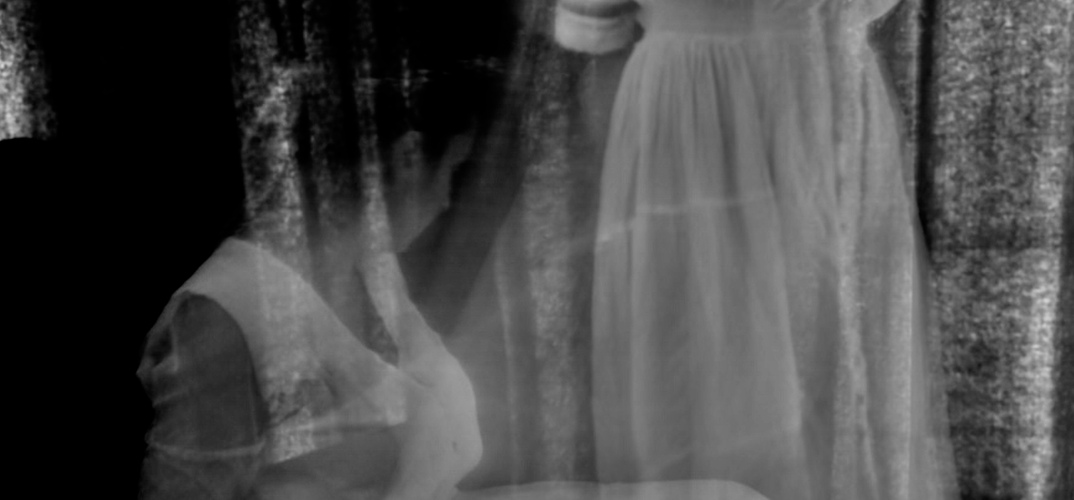
The survey, funded by the Arts and Humanities Research Council (AHRC) and carried out by IPSOS UK, led by team of researchers from the University of Hertfordshire, Sheffield Hallam University and Chapman University (USA), reveals fascinating insights into modern beliefs around Halloween, the supernatural and UFOs.
It provides the first representative national picture of English folklore in over 60 years, following the last major survey conducted in 1964.
Academics from the University of Hertfordshire played a vital role in the development of the survey. Dr Ceri Houlbrook, Senior Lecturer in Folklore and History and Professor Owen Davies, Professor of Social History, were central to constructing the survey framework, which was based on their recently published book, Folklore.
Each took responsibility for developing sections of the survey while collaborating with colleagues across the survey team to ensure it was cohesive and comprehensive.
University of Hertfordshire’s Masters in Folklore Studies students also contributed to the early stages, taking part in a focus group to test and refine the initial version of the survey. This input was key to improving the clarity, accessibility, and cultural relevance of the final survey design.
Now that initial results are in, University of Hertfordshire researchers are leading the analysis of their respective sections, contributing to a deeper understanding of how folklore continues to evolve in modern England.
Dr Ceri Houlbrook said: “This survey gives us an extraordinary window into how folklore continues to shape people’s lives today. Far from being a relic from the past, folklore remains a vibrant, living aspect of everyday culture, from beliefs in ghosts and luck to the way we celebrate Halloween and share stories online.
“It has been immensely rewarding to help shape this research at the University of Hertfordshire, working with our students and colleagues to explore what folklore means in 21st-century England.”
According to the survey:
- Just over one in three people in England believe in ghosts or spirits of deceased people.
- Over a quarter believe it is possible to communicate with the dead.
- 10% report having seen a UFO or something in the sky they couldn’t explain.
- 46% celebrate Halloween, while 52% celebrate Bonfire Night, with younger people significantly more likely to engage in Halloween traditions such as pumpkin carving or watching scary films.
Dr.David Clarke, Associate Professor at Sheffield Hallam University who leads the survey team, said: “Our aim is to produce the first representative national survey of folklore in multicultural England to raise awareness of the value of folklore as a cultural asset.
“Far from folklore being something old fashioned, our results show that traditional beliefs and customs are a central part of modern life for millions of people. Everyone has folklore and this is reflected in the responses to our questions on supernatural beliefs and experiences.
“One surprising result is that, of those who say they have had an extraordinary experience, almost one in five have never told anyone about it, even family and close friends.”
The President of The Folklore Society, Professor David Hopkin, said: “‘Folklore just means the things we do, that we experience and that we believe, our personal and collective rituals, the objects we cherish, how we celebrate, and how we connect with each other through stories, jokes, dance, games and food.
“Folklore is everywhere, enriching our world, but it’s difficult to measure because it is so blended into everyday life, and that also means it is hard to value.
“This survey, really for the first time, supplies for England the hard data on the kinds of experiences, beliefs and practices that go under the heading ‘folklore’.”
Over the next 12 months, the National Folklore Survey team, including the University of Hertfordshire team, will release further findings to coincide with key points in the folkloric calendar. The data covers seven key areas, including:
- Places and legends
- Nature and the natural world
- Lucky and unlucky objects
- Calendar customs
- Magical beliefs
- Folklore in media and pop culture
The University of Hertfordshire continues to lead the field in folklore scholarship and education, with its Masters in Folklore Studies being one of the only dedicated programmes of its kind in the UK. Find out more about studying Folklore at Herts.