
Interviewing the Interviewers
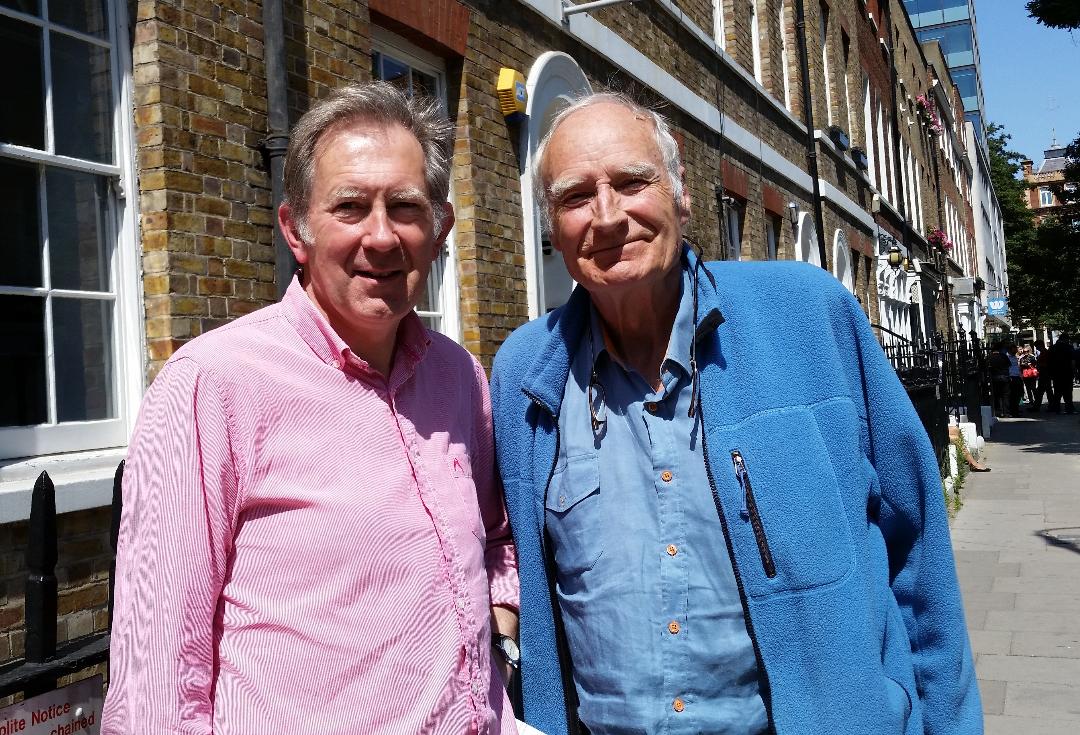
Year after year, University of Hertfordshire students and members of the local community have been trained in interview techniques in order to take part in university projects or to carry out assignments of their own.
So what help can the thoughts of professional interviewers additionally provide? Not just those who operate as journalists and broadcasters, but people working in a range of professions where asking good questions and helping refine answers is a crucial part of the job.
-
Peter Snow
To start this developing series, Andrew Green here interviews the veteran radio and television journalist, Peter Snow CBE. In his distinguished career, Peter worked as a correspondent for Independent Television News, going on to become one of the principal anchors of BBC2’s Newsnight programme. Peter also found fame through his energetic analyses of General Election results as they were declared. He enjoyed an extensive, wide-ranging career on BBC radio, not least in the area of history programming. Indeed, history has been at the heart of Peter’s output as an author. Everywhere his career has taken him, Peter has had to work out the best ways of eliciting accurate and telling information from those he has interviewed.
-
Libby Purves
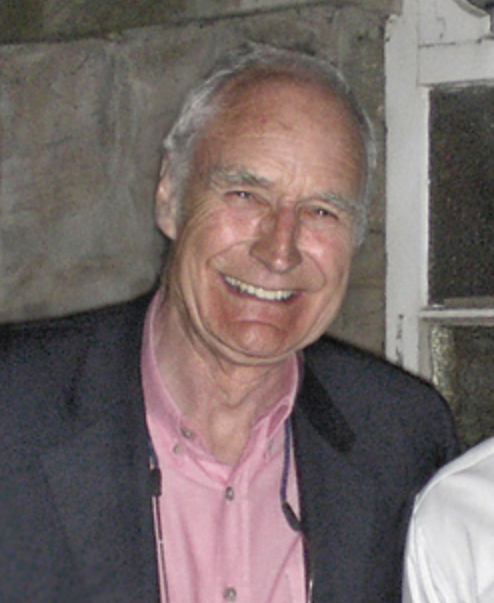
Libby Purves OBE is one of Britain's most admired broadcasters as well as being a highly respected author and journalist.
As the daughter of a British diplomat, much of Ms Purves’s childhood was spent outside the UK. After taking a first in English at Oxford University she soon laid the foundations for what would become a long career in broadcasting. A key formative experience was her time as a reporter/presenter on BBC Radio Oxford, where the range of subject matter and types of interviewee she handled was extraordinarily wide.
Ms Purves first gained nationwide recognition on becoming the first woman (and youngest-ever) presenter of BBC Radio 4’s flagship news programme, Today. Many other significant broadcasting assignments followed, but Ms Purves is perhaps best-known for presenting Radio 4’s Midweek programme across more than thirty years. Here the mix of round-the-table studio guests was astonishingly broad, requiring remarkable interviewing skill and adaptability
Libby Purves’s bibliography runs to more than twenty books, including novels and volumes which reflect her passion for sailing – she lives close to the East Anglian coastline. Her longstanding regular column in The Times newspaper covers an array of topical subjects, all handled with a characteristic mix of journalistic flair and colourful common sense.
See the interview here.
-
Professor Ellen J Langer
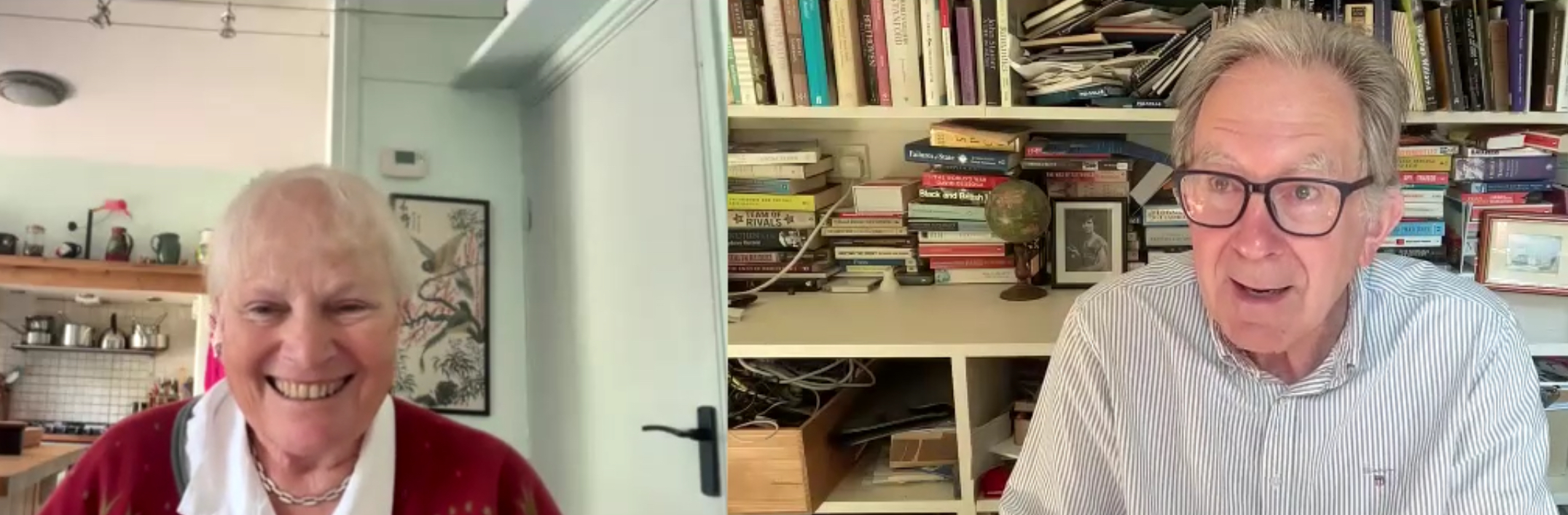
Ellen J Langer, Professor of Psychology at Harvard University has been dubbed ‘the Mother of Mindfulness’. She describes the term as ‘the simple act of noticing new things’ in any area of everyday life.
Professor Langer’s influential 1989 book Mindfulness has been followed by a series of other best-selling volumes which have enjoyed a global reach, finding applications in many areas of human activity/behaviour. Her latest highly praised book, The MindfulBody, explores the idea that positive, ‘mindful’ mental attitudes can have a direct impact on the health of an individual.
So…can there be such a thing as a mindful approach to interviewing…and, indeed, to devising research projects – including those rooted in oral history?
Click HERE.
